Funkjaw
Well-Known Member
- Thread starter
- #1
This is a review for the newly released MST 6" Intake. This, from my understanding, deprecates the MST v2 Intake that uses a 4" filter and different build design.
The full product page:
https://www.mst-performance.com/products/ty-sup05
"Features
* Max gains 10-12hp and 20nm
* HDPE material airbox protects against heat soaking
* 152mm reusable high airflow filter with 6" intake tube
* Improved performance & better throttle response
* More aggressive and sporty induction sound
* Direct fit to stock vehicle and no need to remap"
Purchased from:
https://x-ph.com/ (shipped super fast thanks guys)
Total Cost after tax and shipping: $624.25
My car:
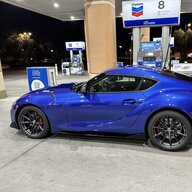
2023 Supra MKV MT
Bone stock as in no exhaust, no dp, no tune, nothing other than this new intake
I bought this intake for two primary reasons:

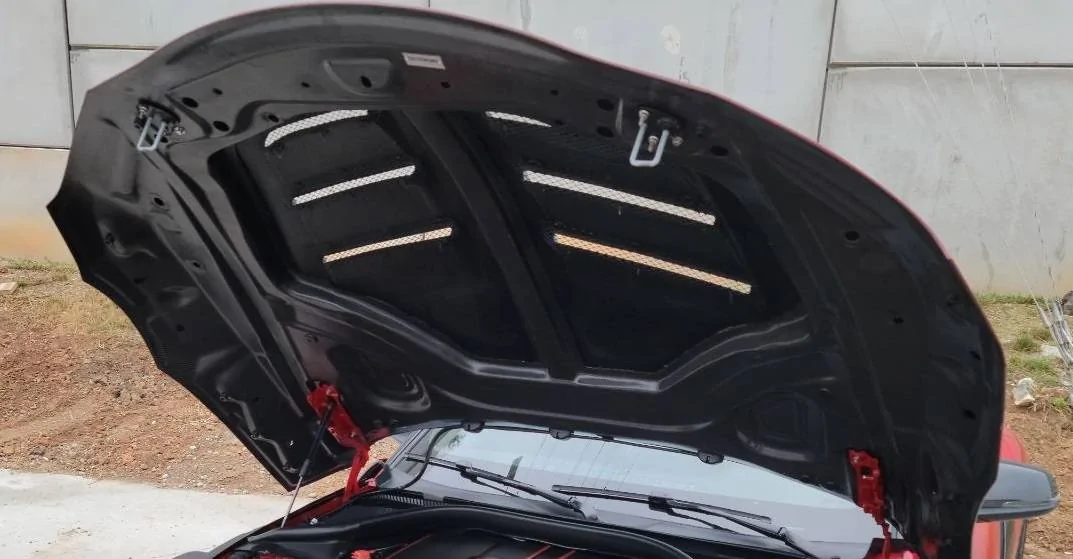
To help with heat mitigation, I covered the MST heat shield with some heat reflective tape I had from another project. I figured this stuff would do a better job at reflecting heat than just the matte black coat on the heat shield:

Installation
Note: The kit did not come with instructions nor did I see instructions online anywhere, so these are MY instructions - *not the official instructions* - and therefore could be incorrect.
Part 1: Removal of old intake
First part of the process is removing the old intake box and inlet to the turbo. This is straight forward, and is covered in every intake installation guide/video you can find so I won't go into detail. The trickiest part is the breather hose, I used some long pliers to squeeze it together and lifted it off. There is also a wire clip on the OEM inlet that needs to be unclipped, a small flat head screwdriver did the trick for me.
Part 2: Installation of MST intake
1. Install the silicone inlet onto the turbo first. This is straight forward, and the process is no different than the MST V2 4" Intake. The hardest part is getting the breather hose clipped into the new inlet but it wasn't bad and honestly not sure why people tend to have a hard time with this.
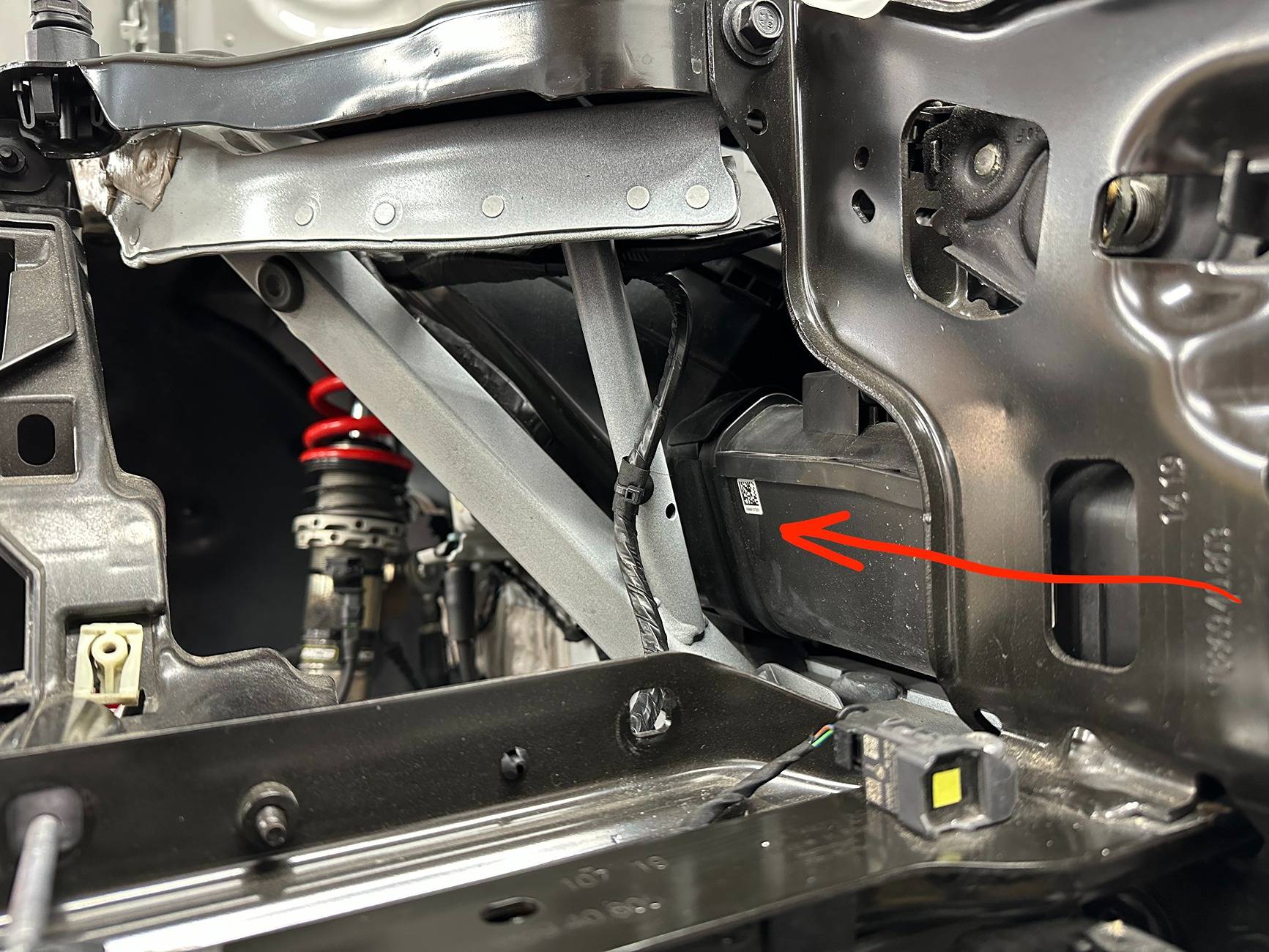
2. Install the standoffs onto the air box using the included hardware. The airbox will snap into the OEM receptors using the standoffs (below is a picture of the standoffs snapped into the receptors without the airbox for demonstration).
3. Install the airbox.
4. Install the plastic filter inlet pipe. You gotta sorta rotate it in place into the silicone turbo inlet and the opening into the intake box. This isn't TOO bad.
5. Reach into the "ram air scoop" and push the filter onto the filter inlet pipe, rotate the clamp to a position you can tighten it down with a flat head and do so.
6. All done. Took me 3 hours to get it in. But could probably do it in less than an hour now that I know how to attack it.
You can also just watch this video where he shows how to install it:
Design thoughts
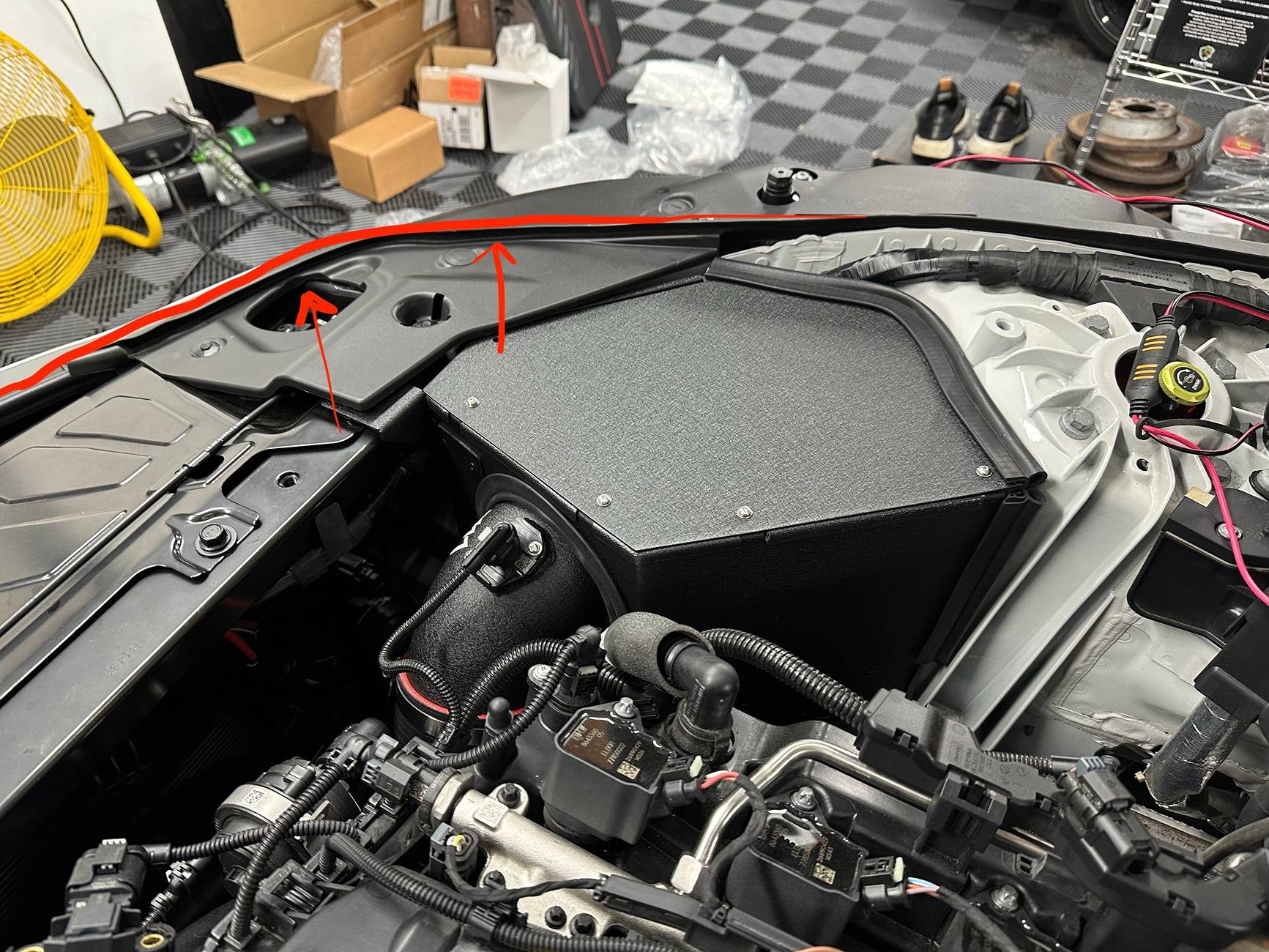
It looks like the design was meant to have the filter perfectly snug against the rubber seal on the intake box to prevent engine air from getting in as there is a cutout for (presumably) the filter hose clamp... but I simply do not see how this could be the case. The filter sits about 1.5 inches away from the rubber seal... so ionno. Maybe I'll mess with it some more at another date and try to get it closer to the rubber seal on the box. If I can't, I might just seal the gap with some reflective tape or HVAC style tape. (see below for gap I am referring too).
------- What it looks like all said and done -------
Descriptions of intake sound
44 seconds of me just getting on and off the throttle to demonstrate the sound:
WOT clip, going through 2nd and 3rd gear. (Sounds like maybe the intake might be scrapping in between shifts, not sure, will investigate, could just be how the turbo flutters between high rpm shifts)
WOT clip, from the bottom of 3rd gear all the way to the top and into 4th gear.
Thoughts on throttle response
Seems a little snappier, but I only have a day of seat time with the new intake so my thoughts on this could change. Will update this section if they do.
Thoughts on intake temps
-- UPDATE #1--
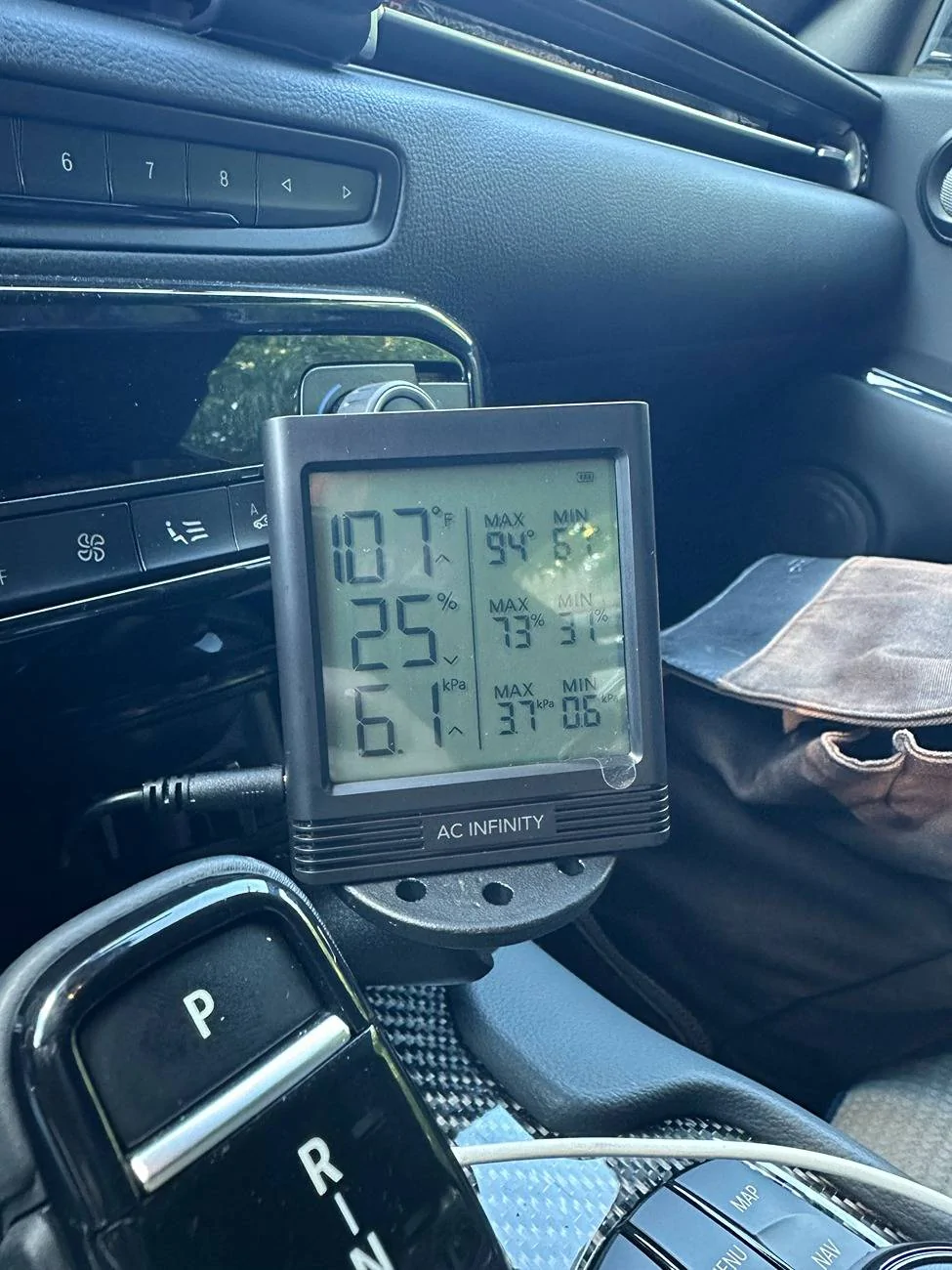
I used a wireless meat thermometer to log some intake temperatures right at the front of the filter where I felt the most volume of air enter the filter. Ambient temp was 53-56 F. I drove about 25 miles, with a lot of WOT bursts to generate heat in the engine bay.
Here is a highly qualified artist's rendition of where I put the probe.

Results:
These results, in my opinion, are really good. It shows that the stock intake duct does a great job at providing fresh air to the MST 6" intake box when the vehicle is moving. This makes sense because the box is designed in a way to attach to the stock intake duct.
BUT, I think I can still improve it. Next I will try and isolate the intake filter/box from the engine bay even more by utilizing heat reflective duct tape in specific spots to build a shroud of sorts - then repeat the test and see if it helps any (and hopefully it doesn't reduce cool induction sounds).
BUT DOES IT ADD HORSEPOWER?!?!
I did not have access to a dyno to test potential HP increase, so I performed the following:
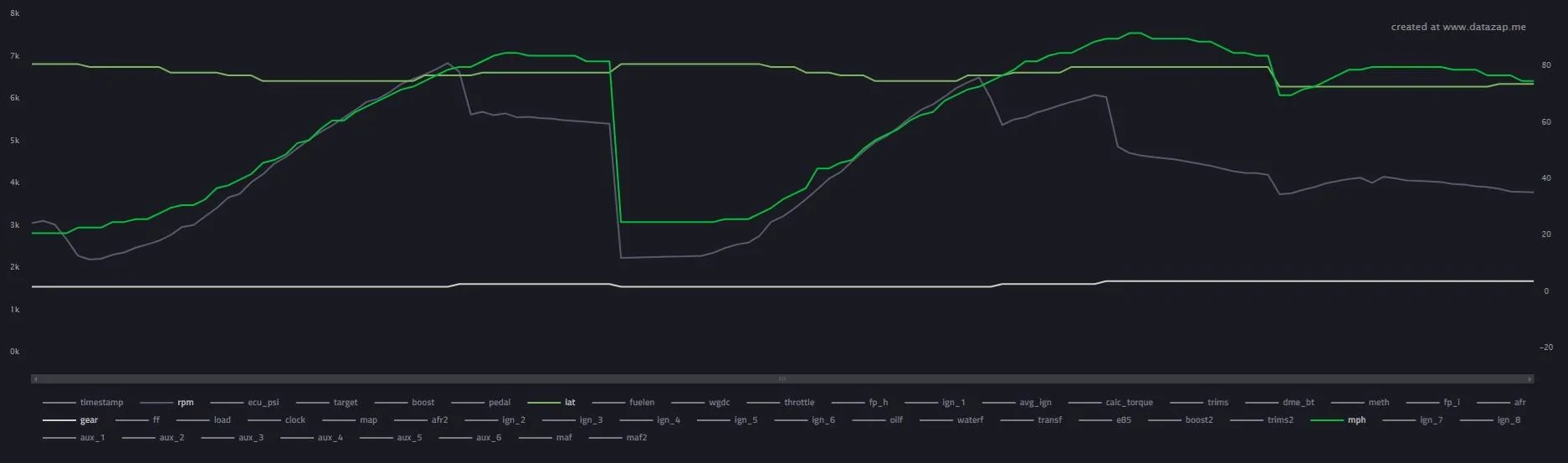
I did a 3rd gear pull with the OEM intake - the car was in sport mode, VSC was fully deactivated, and the AC was OFF. I then did the same 3rd gear pull, at the same exact location with the MST intake later in the day. Both pulls were done after the car had been warmed up with about 20 minutes of driving. These pulls were captured with my iPhone, and then time stamped with video editing software.
Final thoughts
I am happy, well very happy TBH with the purchase. Yeah the installation sucked my balls, and it's probably not worth the $624.25 (after tax and shipping), but I can FINALLY FREAKING TELL THAT I HAVE A TURBO CHARGED SUPRA
The full product page:
https://www.mst-performance.com/products/ty-sup05
"Features
* Max gains 10-12hp and 20nm
* HDPE material airbox protects against heat soaking
* 152mm reusable high airflow filter with 6" intake tube
* Improved performance & better throttle response
* More aggressive and sporty induction sound
* Direct fit to stock vehicle and no need to remap"
Purchased from:
https://x-ph.com/ (shipped super fast thanks guys)
Total Cost after tax and shipping: $624.25
My car:
2023 Supra MKV MT
Bone stock as in no exhaust, no dp, no tune, nothing other than this new intake
I bought this intake for two primary reasons:
- Better sounds. We all know the OEM intake is remarkably quiet, but in a bad way
- Better throttle response to help with rev matching and heal toe downshifts as I do not use the auto rev match feature
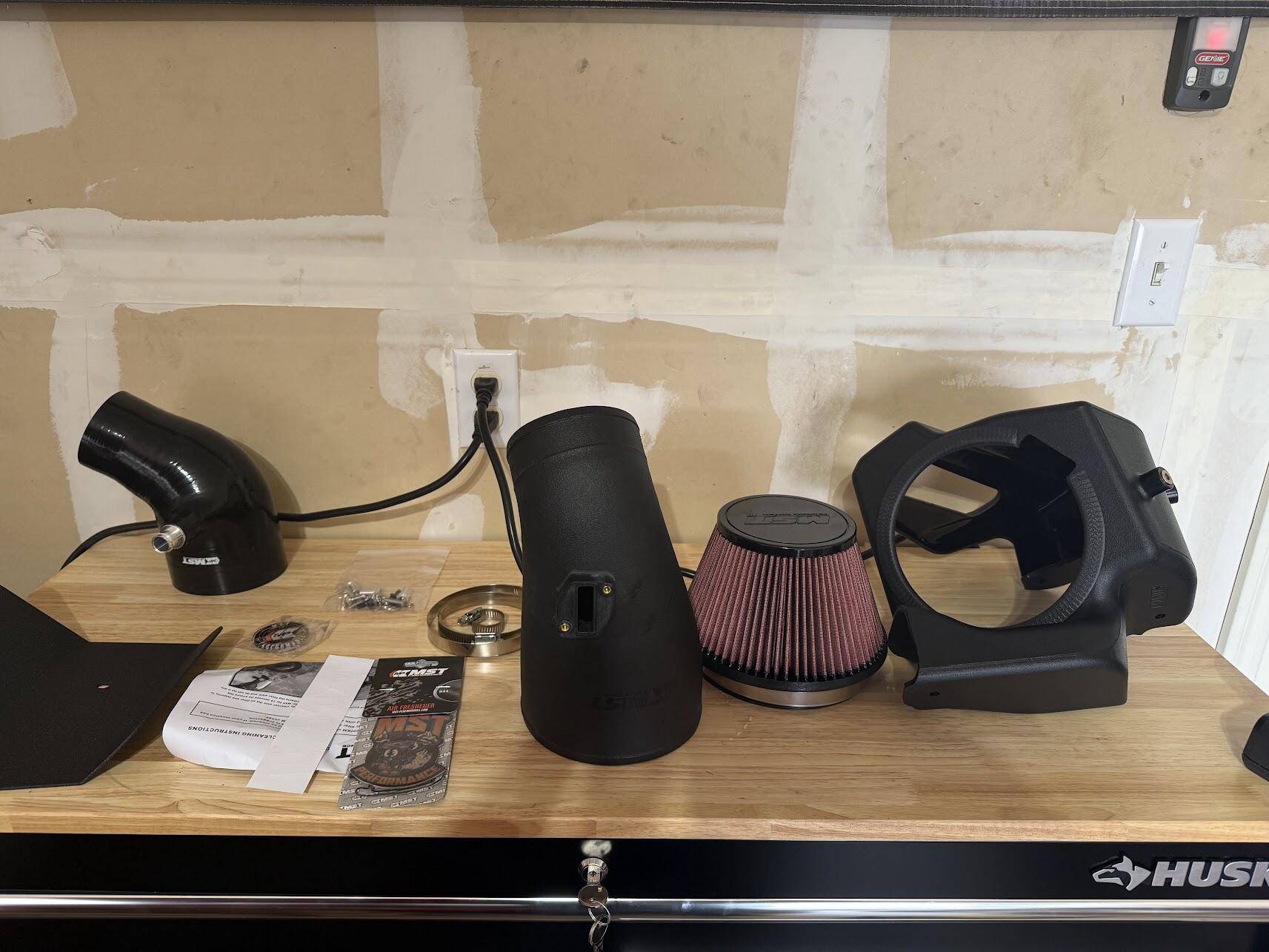
- Intake Box
- Silicone turbo Inlet
- Plastic filter Inlet
- Filter with clamp
- 3 x 10mm M6x1.00 bolts with Philips heads for the intake box with washers
- 2 x hex bolts for the heat shield unsure of thread pitch with lock washers and flat washers
- 3 x host clamps for breather hose, turbo inlet, and filter inlet
- Stickers/crap
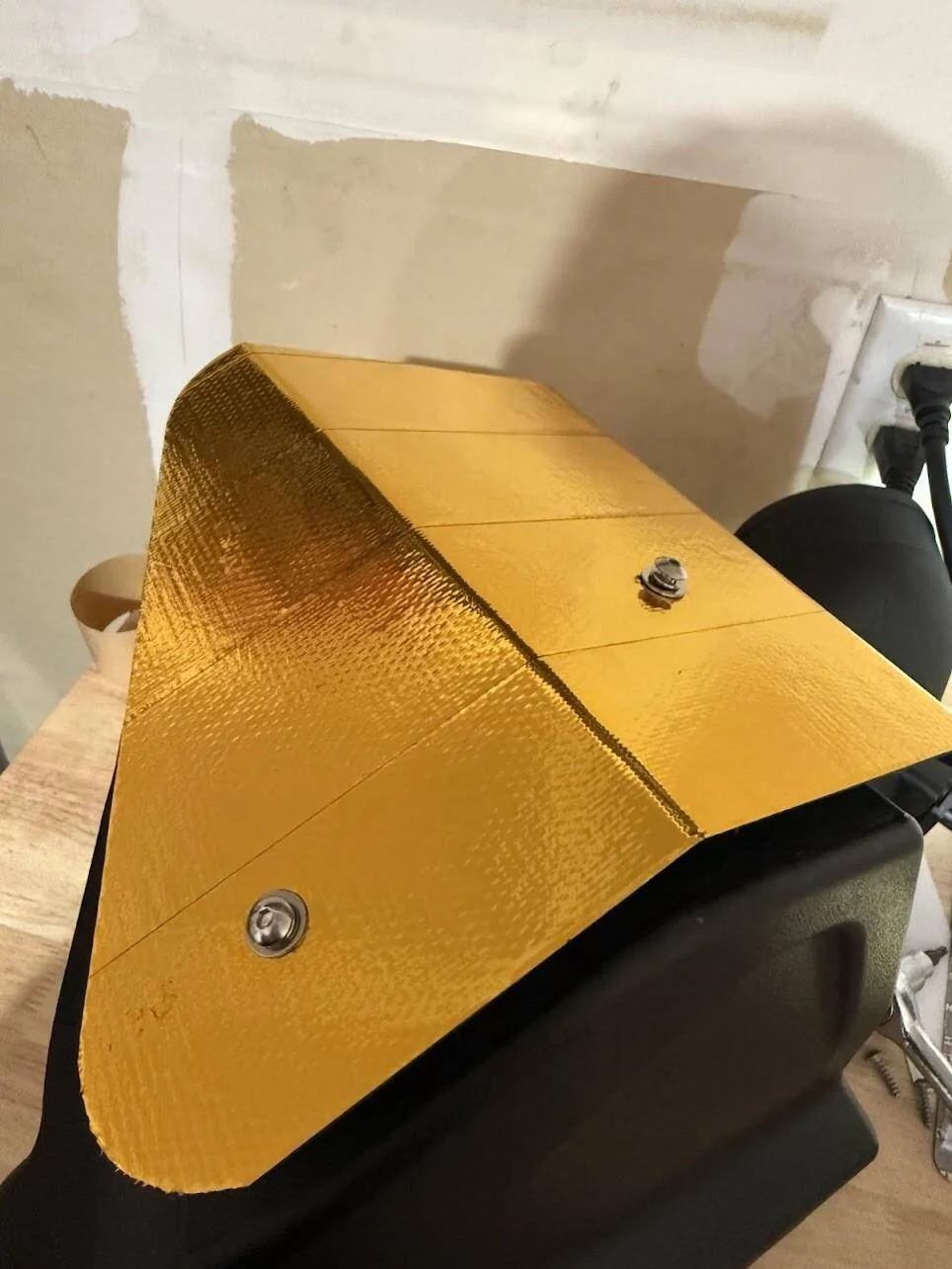
To help with heat mitigation, I covered the MST heat shield with some heat reflective tape I had from another project. I figured this stuff would do a better job at reflecting heat than just the matte black coat on the heat shield:
Installation
Note: The kit did not come with instructions nor did I see instructions online anywhere, so these are MY instructions - *not the official instructions* - and therefore could be incorrect.
Part 1: Removal of old intake
First part of the process is removing the old intake box and inlet to the turbo. This is straight forward, and is covered in every intake installation guide/video you can find so I won't go into detail. The trickiest part is the breather hose, I used some long pliers to squeeze it together and lifted it off. There is also a wire clip on the OEM inlet that needs to be unclipped, a small flat head screwdriver did the trick for me.
Part 2: Installation of MST intake
1. Install the silicone inlet onto the turbo first. This is straight forward, and the process is no different than the MST V2 4" Intake. The hardest part is getting the breather hose clipped into the new inlet but it wasn't bad and honestly not sure why people tend to have a hard time with this.
2. Install the standoffs onto the air box using the included hardware. The airbox will snap into the OEM receptors using the standoffs (below is a picture of the standoffs snapped into the receptors without the airbox for demonstration).
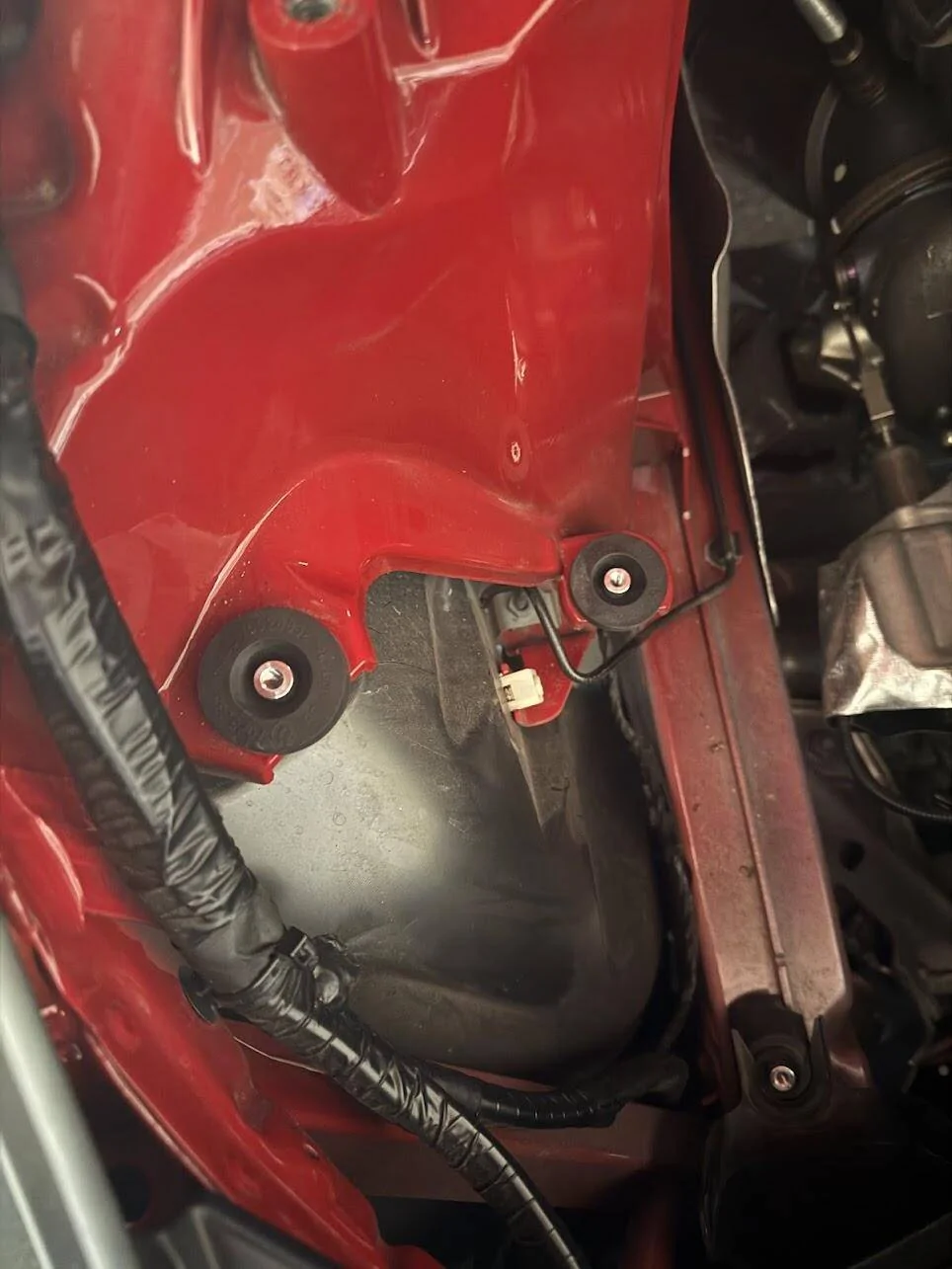
3. Install the airbox.
4. Install the plastic filter inlet pipe. You gotta sorta rotate it in place into the silicone turbo inlet and the opening into the intake box. This isn't TOO bad.
5. Reach into the "ram air scoop" and push the filter onto the filter inlet pipe, rotate the clamp to a position you can tighten it down with a flat head and do so.
6. All done. Took me 3 hours to get it in. But could probably do it in less than an hour now that I know how to attack it.
You can also just watch this video where he shows how to install it:
Design thoughts
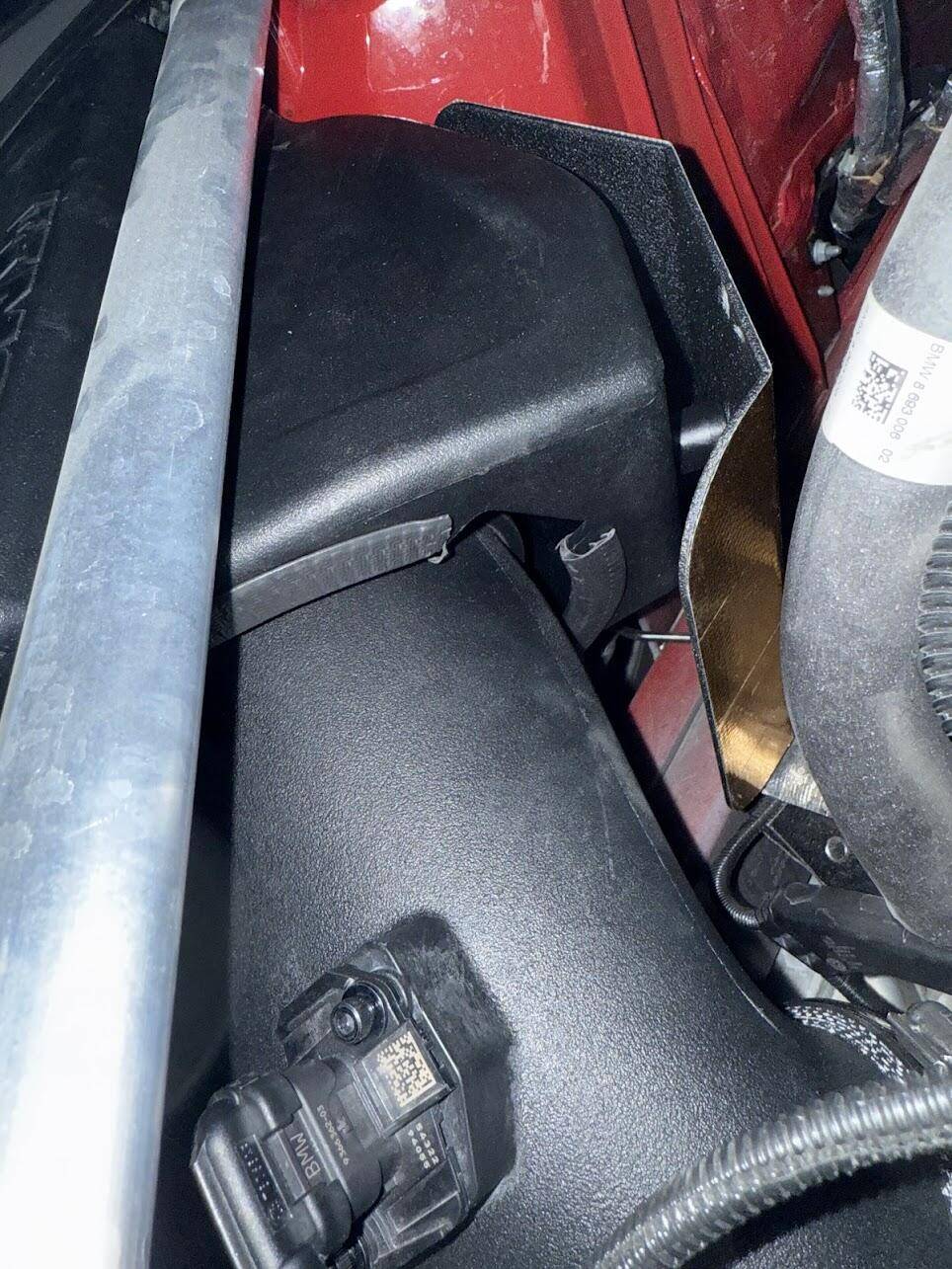
It looks like the design was meant to have the filter perfectly snug against the rubber seal on the intake box to prevent engine air from getting in as there is a cutout for (presumably) the filter hose clamp... but I simply do not see how this could be the case. The filter sits about 1.5 inches away from the rubber seal... so ionno. Maybe I'll mess with it some more at another date and try to get it closer to the rubber seal on the box. If I can't, I might just seal the gap with some reflective tape or HVAC style tape. (see below for gap I am referring too).
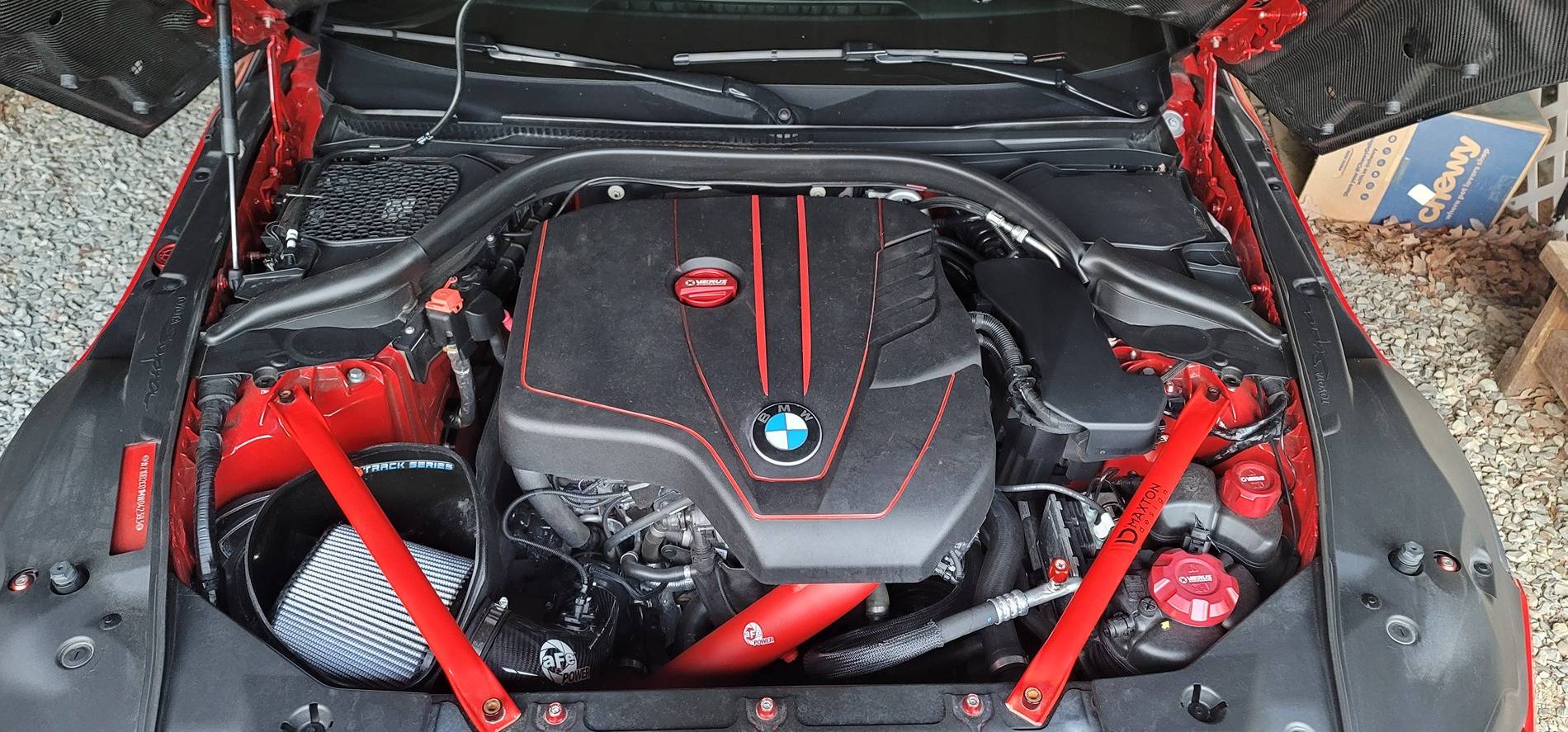
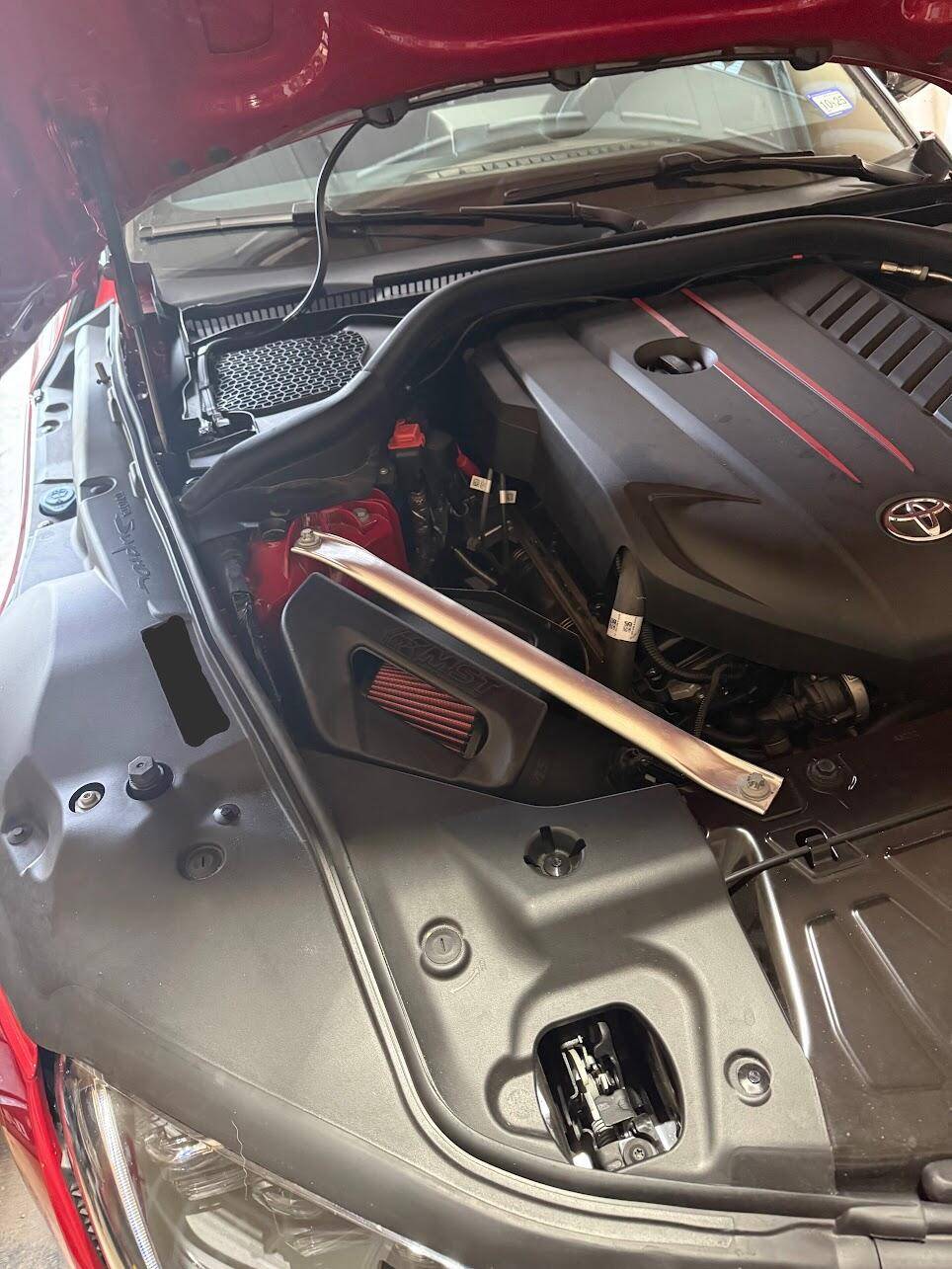
------- What it looks like all said and done -------
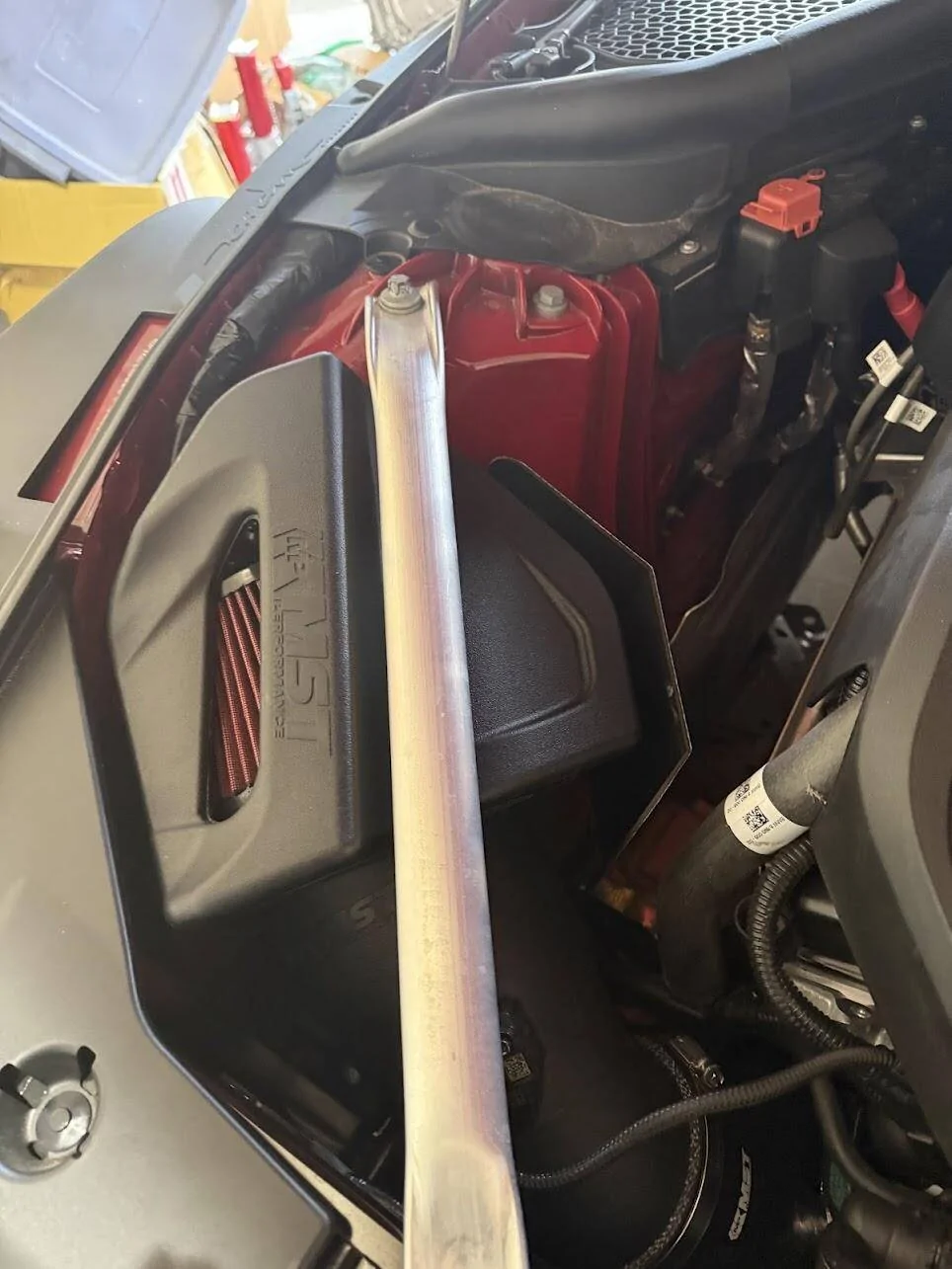
- On part throttle there is a very loud woosh type sound.
- When you let off the gas after building boost you can very audibly hear the turbo recirculate, much like a blow off valve - sounds super rad!!!
- On full throttle the intake gets loud momentarily then quiets down as you go through the RPM band.
- This intake is loudest on part to moderate throttle, the more throttle you give it the quieter it gets
- On start-up, idle, or little throttle input say just putting around, you can't hear the intake at all. I like this because you can go low key if you want too.
- Side note: My wife doesn't like it, she said it sounds like the car is queefing or wheezing, and questions why I can't just leave cars alone after I buy them...
44 seconds of me just getting on and off the throttle to demonstrate the sound:
WOT clip, going through 2nd and 3rd gear. (Sounds like maybe the intake might be scrapping in between shifts, not sure, will investigate, could just be how the turbo flutters between high rpm shifts)
WOT clip, from the bottom of 3rd gear all the way to the top and into 4th gear.
Thoughts on throttle response
Seems a little snappier, but I only have a day of seat time with the new intake so my thoughts on this could change. Will update this section if they do.
Thoughts on intake temps
-- UPDATE #1--
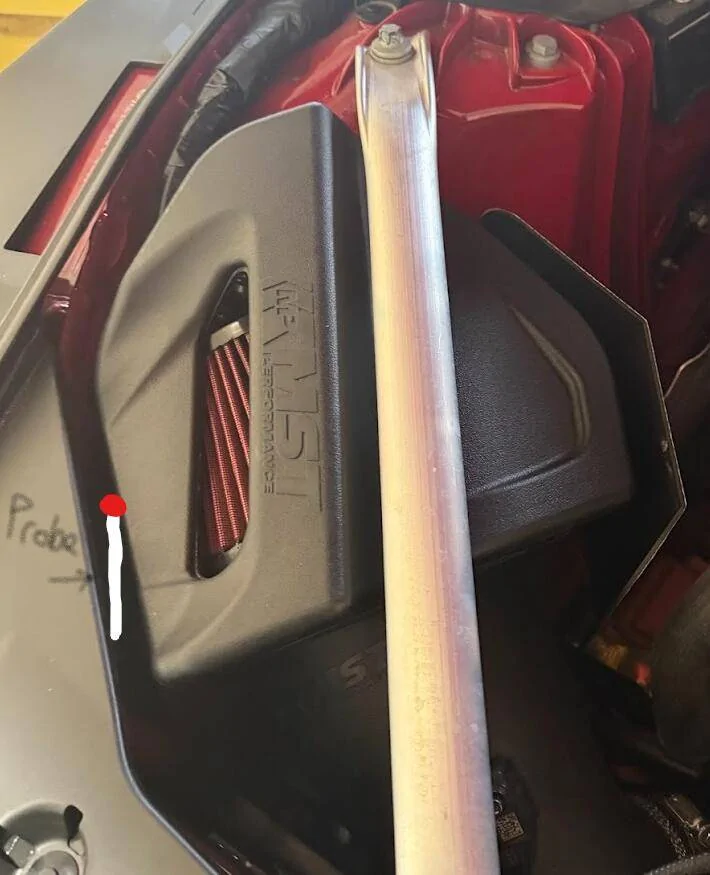
I used a wireless meat thermometer to log some intake temperatures right at the front of the filter where I felt the most volume of air enter the filter. Ambient temp was 53-56 F. I drove about 25 miles, with a lot of WOT bursts to generate heat in the engine bay.
Here is a highly qualified artist's rendition of where I put the probe.
Results:
- IDLE/Sitting at stop light:
- I saw it get to 30+ degrees hotter than ambient. Basically it would just slowly climb the entire time. This is a big indicator that engine bay air enters into the MST 6" intake or at the very least the MST plastic intake box heat soaks.
- City speed cruising
- ~15 degrees above ambient
- Freeway cruising
- ~11 degrees above ambient
These results, in my opinion, are really good. It shows that the stock intake duct does a great job at providing fresh air to the MST 6" intake box when the vehicle is moving. This makes sense because the box is designed in a way to attach to the stock intake duct.
BUT, I think I can still improve it. Next I will try and isolate the intake filter/box from the engine bay even more by utilizing heat reflective duct tape in specific spots to build a shroud of sorts - then repeat the test and see if it helps any (and hopefully it doesn't reduce cool induction sounds).
BUT DOES IT ADD HORSEPOWER?!?!
I did not have access to a dyno to test potential HP increase, so I performed the following:
I did a 3rd gear pull with the OEM intake - the car was in sport mode, VSC was fully deactivated, and the AC was OFF. I then did the same 3rd gear pull, at the same exact location with the MST intake later in the day. Both pulls were done after the car had been warmed up with about 20 minutes of driving. These pulls were captured with my iPhone, and then time stamped with video editing software.
- Ambient air temp during 3rd gear pull with OEM intake was 53 degrees F. Humidity was 60%.
- 45mph - 90mph took ~4.926 seconds
- Ambient air temp during 3rd gear pull with MST intake was 60 degrees F. Humidity was 64%
- 45mph - 90mph took ~4.904 seconds
---- Conclusion ----
The MST intake accelerated .022 seconds faster than the OEM intake, while in a marginally HOTTER/MUGGIER environment. Now if it were two tenths or more I would call this remarkable, but two hundredths is frankly well within margin of error and to me unremarkable. Still, with this data it stands to reason the intake might actually add a HP or two, but likely not 10HP as they claim on the website. Please note because the runs were done within 20 minutes of drive time after startup, they don't take into account heat soak in the engine bay if you were to say do these runs after being on a race track all day. Take these results as you will! Might yield better results if the car had other mods... ?Final thoughts
I am happy, well very happy TBH with the purchase. Yeah the installation sucked my balls, and it's probably not worth the $624.25 (after tax and shipping), but I can FINALLY FREAKING TELL THAT I HAVE A TURBO CHARGED SUPRA
Sponsored
Last edited: