Sponsored

trash site

OP
OP
razorlab

razorlab

Well-Known Member
First Name
Bryan
Joined
Oct 2, 2021
Threads
29
Messages
8,568
Reaction score
16,797
Location
Hudson Valley, NY
Car(s)
Not a Corvette.
Hi razorlab,

Thanks for the detailed explanation — it’s incredibly helpful!

You mentioned that the log screenshot was taken with the dynamic PID boost control disabled, and that it’s a good method to tune the Wastegate Position Feed-Forward table more accurately before re-enabling PID. That sounds like a great idea, and I’d like to try that approach.

Could you please clarify:

Which tables or parameters need to be modified to disable the PID system temporarily for tuning purposes?
Are the following tables sufficient to zero out?
• Boost Control Variable (PID) Floor
• Boost Control Variable (PID) Ceiling

Or are there additional steps required to fully disable PID intervention?

Thanks again for sharing your insights!
Glad this has been helpful!

As far as disabling PID, I zero out the PID tables but you could try just floor/ceiling.
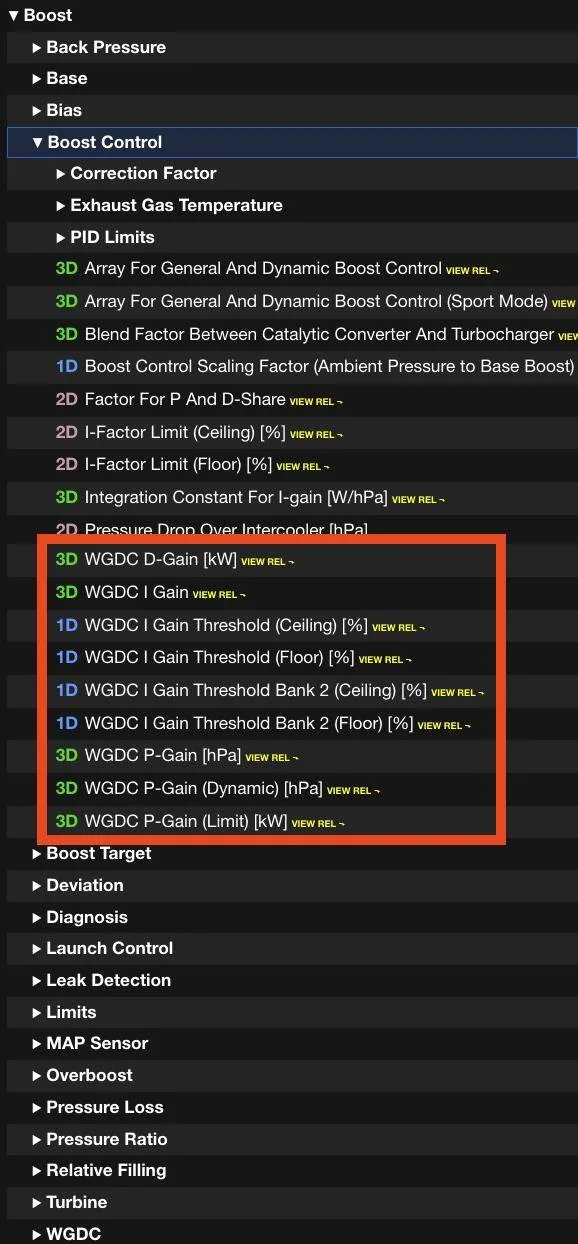
Screenshot 2025-05-23 at 11.44.52 AM.webp
Sponsored


Liu

Member
First Name
Liu
Joined
May 22, 2025
Threads
0
Messages
10
Reaction score
0
Location
china
Car(s)
BMW
Glad this has been helpful!

As far as disabling PID, I zero out the PID tables but you could try just floor/ceiling.

Screenshot 2025-05-23 at 11.44.52 AM.jpg
Thanks so much for your guidance — it’s been incredibly helpful!

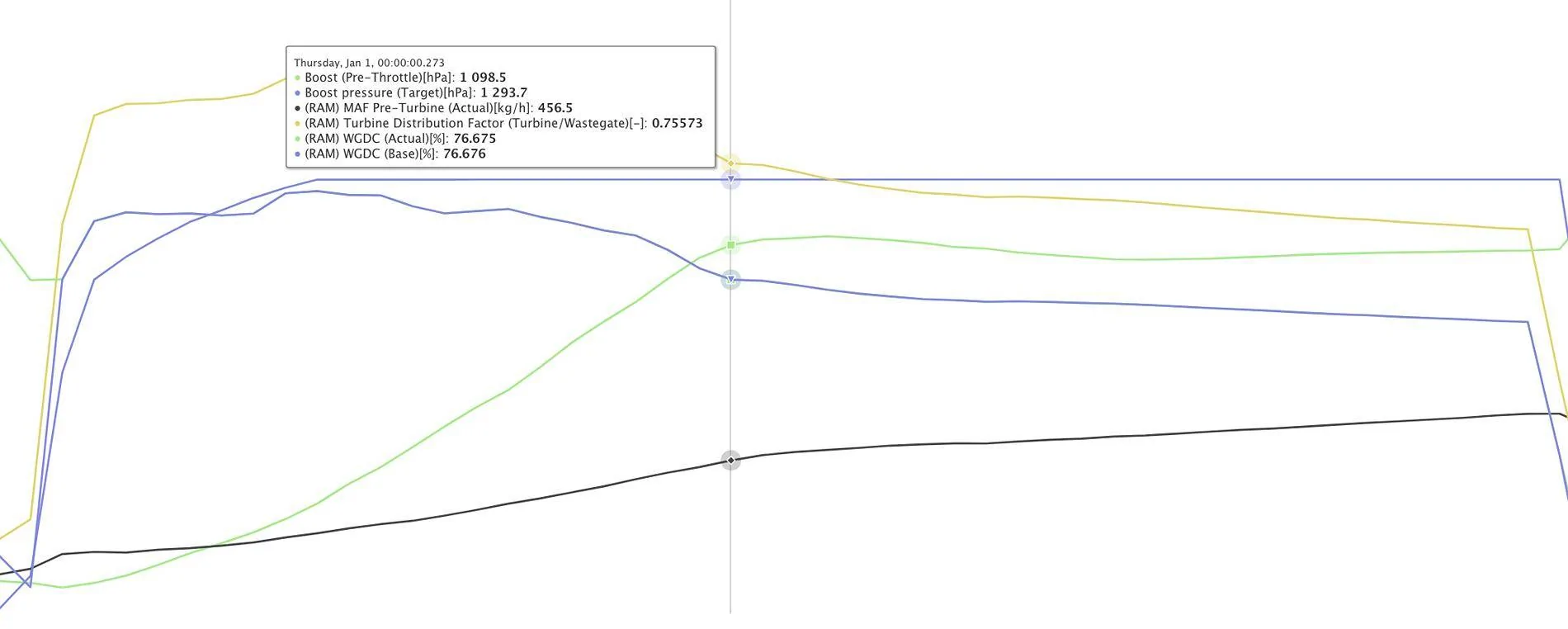
I followed your approach and disabled PID control to tune the WGDC Feed-Forward table. I adjusted it so that actual boost closely matches the target without overshooting. Below is a log I captured after disabling PID — you can see that while the boost curve generally tracks the target well, there’s still a slight tendency to overshoot a bit at the peak before dropping back down:

1748175712876-tg.webp


After refining the table, I re-enabled PID. On the first day it worked great — very stable, with little to no overboost. I drove about 300 km under varying conditions and it looked promising.

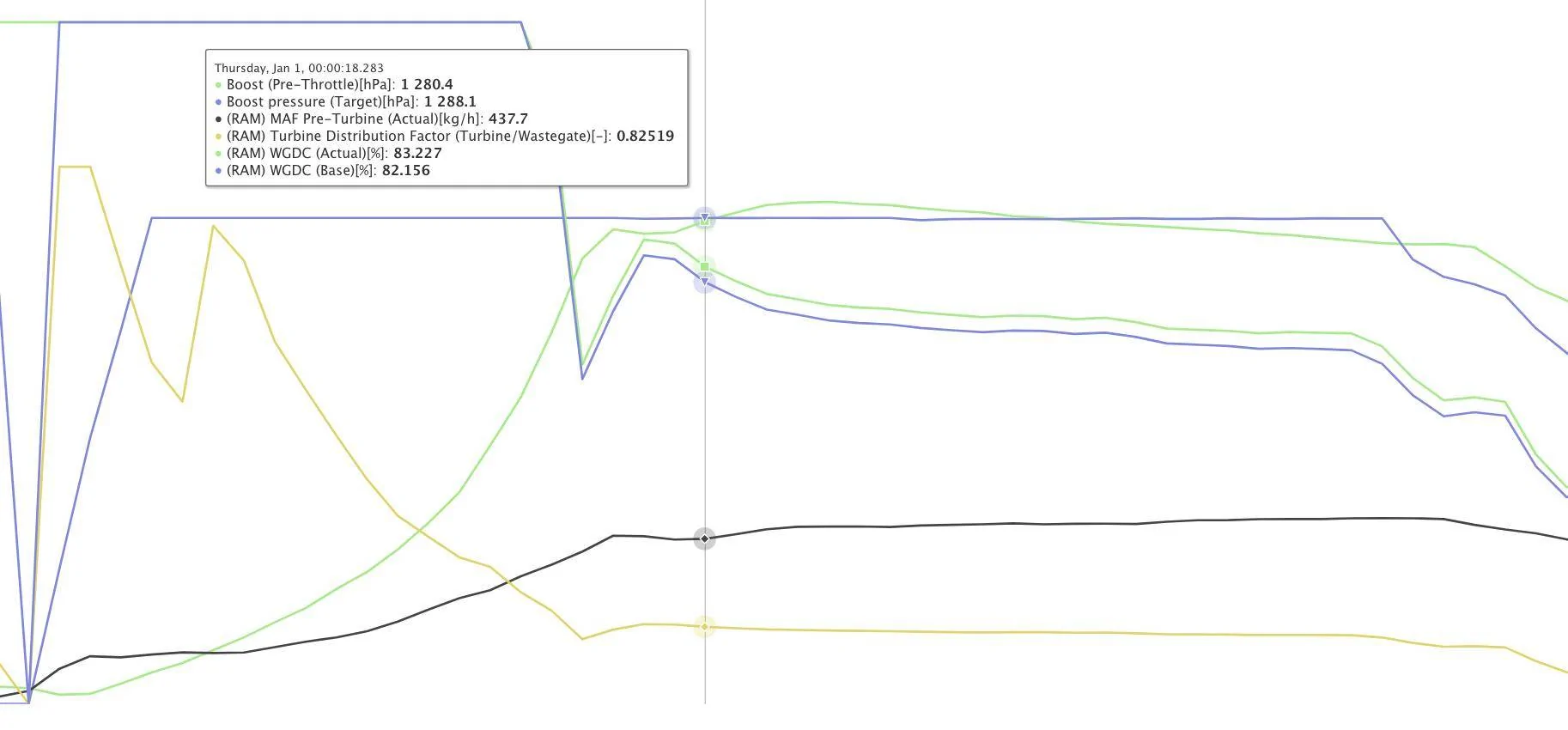
However, on the second day, I started to notice consistent slight overshooting after reaching the boost target, followed by a quick correction. Occasionally, this even causes a throttle closure. Here’s a log showing this behavior — note that WGDC (Base) is always about 1% lower than WGDC (Actual):
1748175573097-tr.webp


Do you have any suggestions on how to fine-tune this further? I’m particularly interested in why the WGDC (Actual) consistently ends up slightly higher than the base, and how to mitigate that slight overshoot under PID.

Thanks again for all the insight — this thread has been a great learning resource!
 
OP
OP
razorlab

razorlab

Well-Known Member
First Name
Bryan
Joined
Oct 2, 2021
Threads
29
Messages
8,568
Reaction score
16,797
Location
Hudson Valley, NY
Car(s)
Not a Corvette.
Thanks so much for your guidance — it’s been incredibly helpful!

I followed your approach and disabled PID control to tune the WGDC Feed-Forward table. I adjusted it so that actual boost closely matches the target without overshooting. Below is a log I captured after disabling PID — you can see that while the boost curve generally tracks the target well, there’s still a slight tendency to overshoot a bit at the peak before dropping back down:

1748175712876-tg.webp


After refining the table, I re-enabled PID. On the first day it worked great — very stable, with little to no overboost. I drove about 300 km under varying conditions and it looked promising.

However, on the second day, I started to notice consistent slight overshooting after reaching the boost target, followed by a quick correction. Occasionally, this even causes a throttle closure. Here’s a log showing this behavior — note that WGDC (Base) is always about 1% lower than WGDC (Actual):
1748175573097-tr.webp


Do you have any suggestions on how to fine-tune this further? I’m particularly interested in why the WGDC (Actual) consistently ends up slightly higher than the base, and how to mitigate that slight overshoot under PID.

Thanks again for all the insight — this thread has been a great learning resource!
Make sure you are logging these:
(RAM) Turbine Power (Base)
(RAM) Turbine Power (Actual)
(RAM) Boost Setpoint
(RAM) Turbine MAF Target (After Corr.)

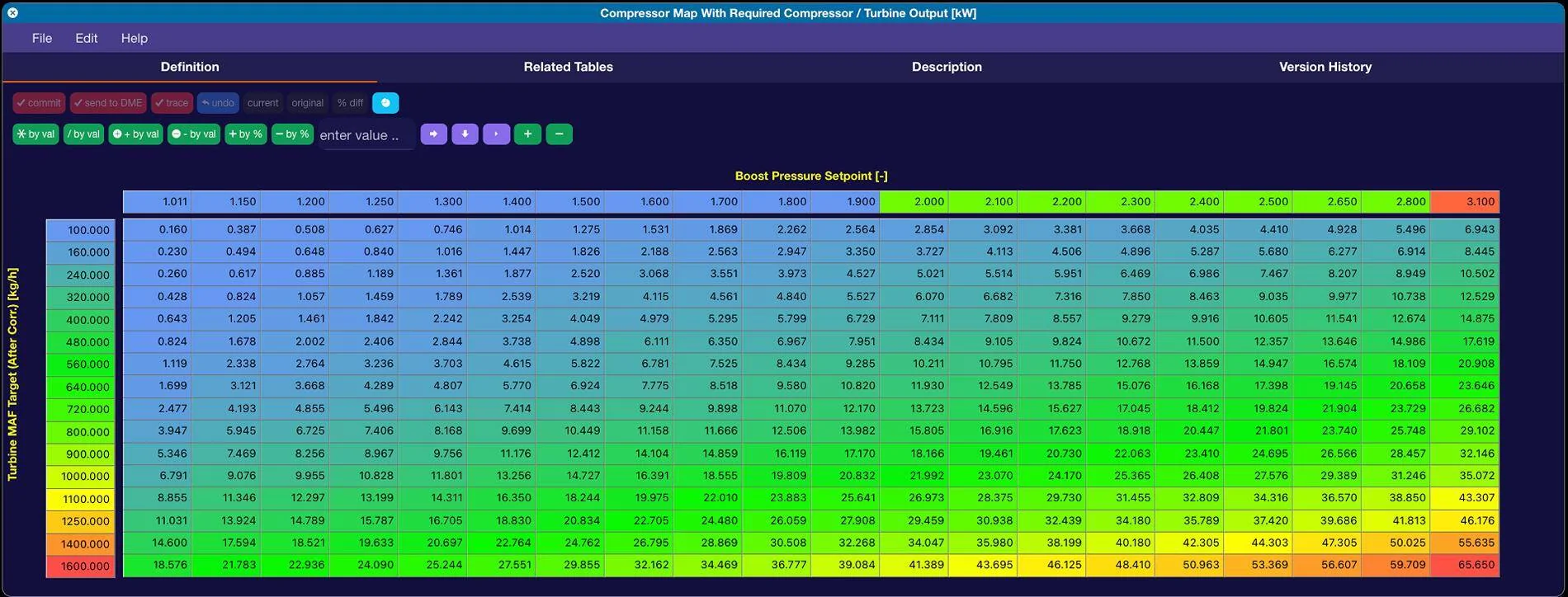
You probably need to reduce the values in your Compressor Map With Required Compressor / Turbine Output table at the area slightly before the part where you are over boosting.

Screenshot 2025-05-25 at 11.50.23 AM.jpg


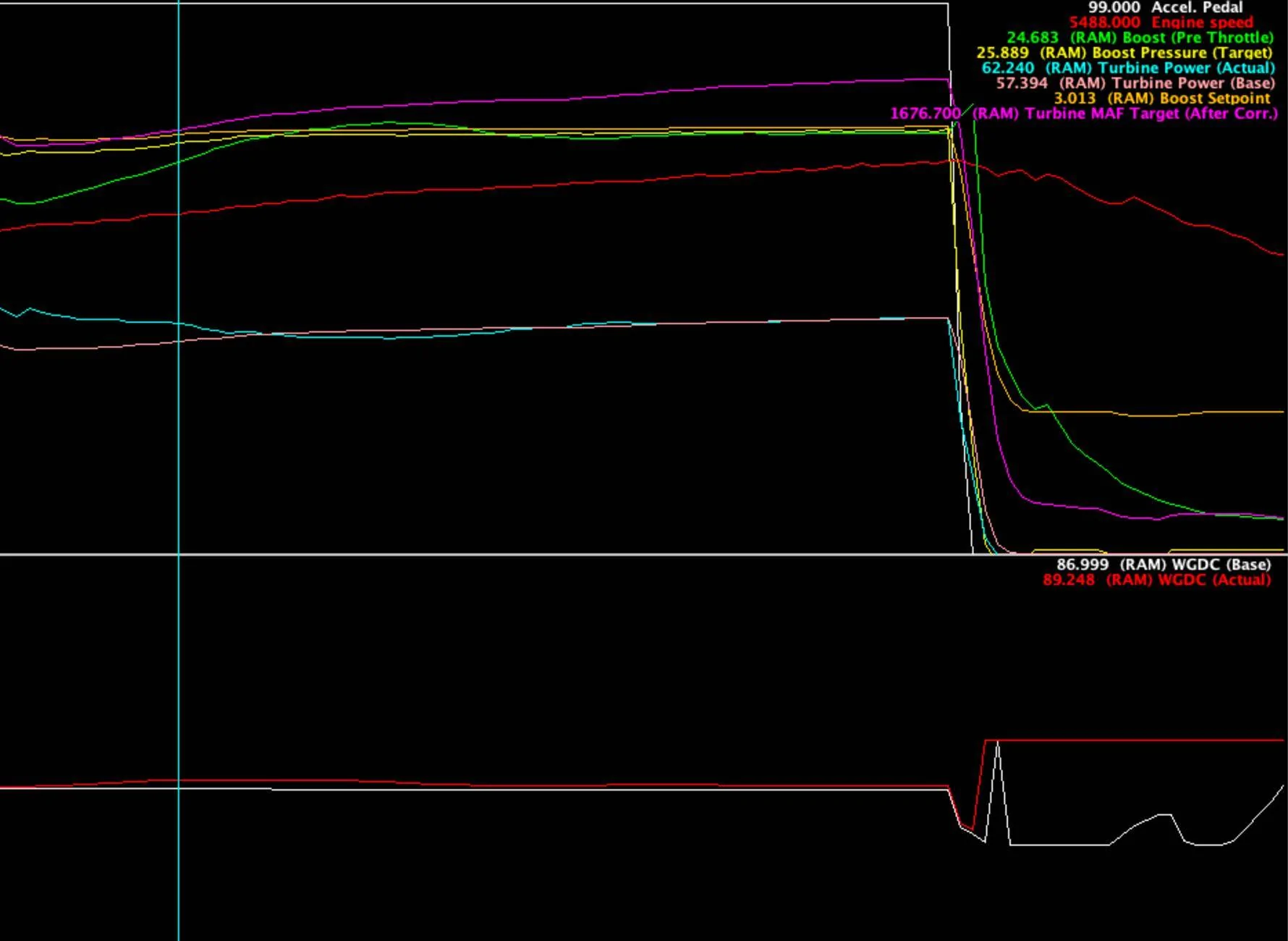
Take a look at the values in your log of Boost Setpoint and Turbine MAF Target (After Corr.) as the axis lookup for the Compressor Map table to see where you need to reduce the values. If the logged item Turbine Power (Actual) is higher than Turbine Power (Base), than the P-Gain will add WGDC above your WGDC base to meet target. If it is lower, it will take out WGDC.

Here is a log example where the Compressor Map table is adding WGDC above base because boost is below target so the system is adding P-Gain to increase WGDC to try to reach target. You will also see the boost then overshoots target and then Turbine Power (Actual) falls below Turbine Power (Base) so the the P-Gain then takes out WGDC to compensate.

Screenshot 2025-05-25 at 11.58.16 AM.jpg
 

Liu

Member
First Name
Liu
Joined
May 22, 2025
Threads
0
Messages
10
Reaction score
0
Location
china
Car(s)
BMW
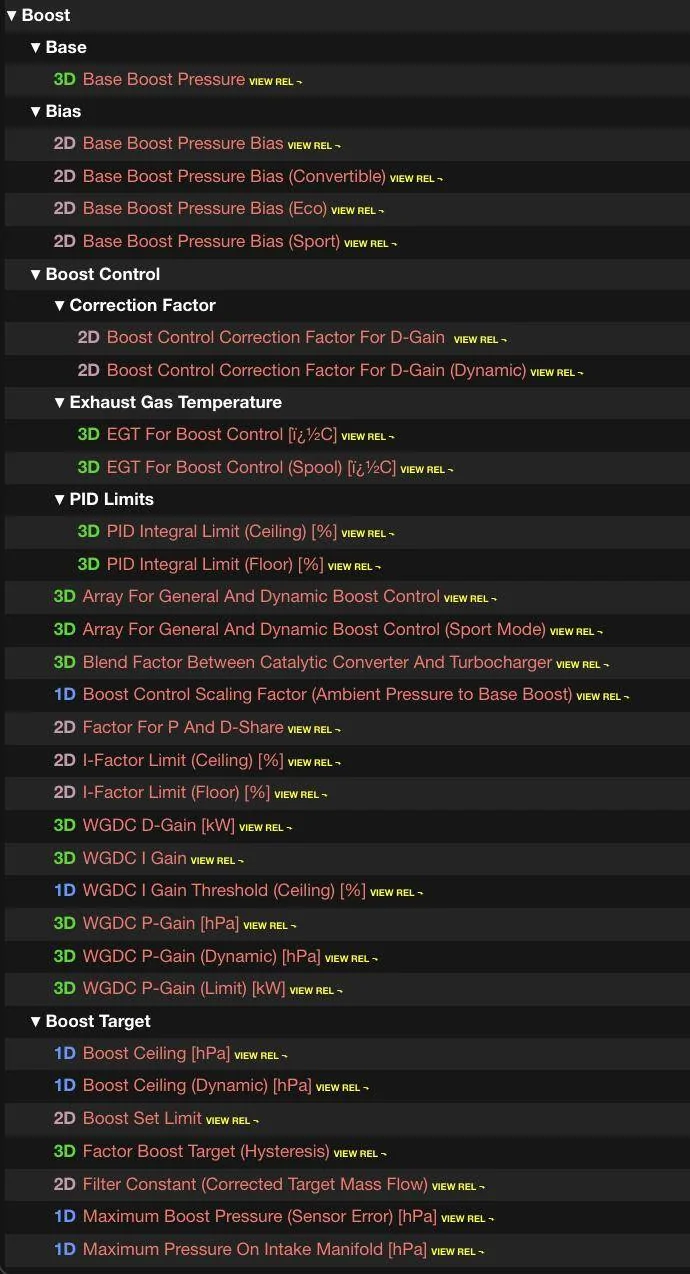
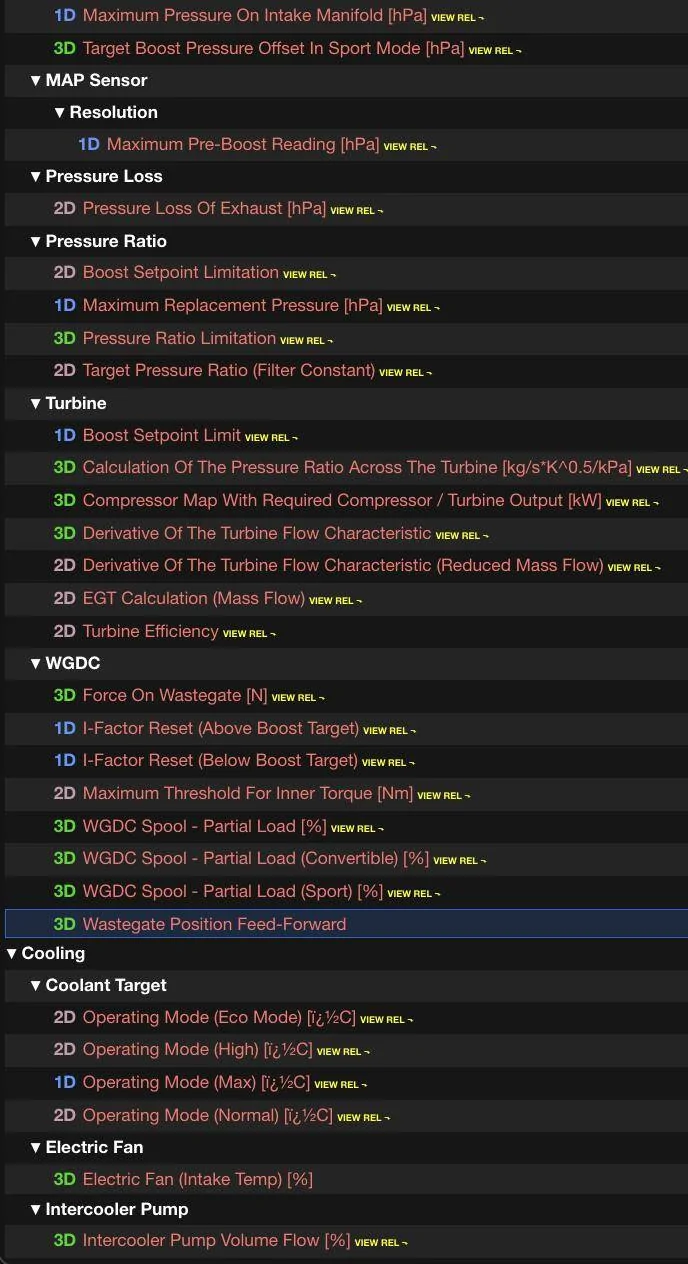
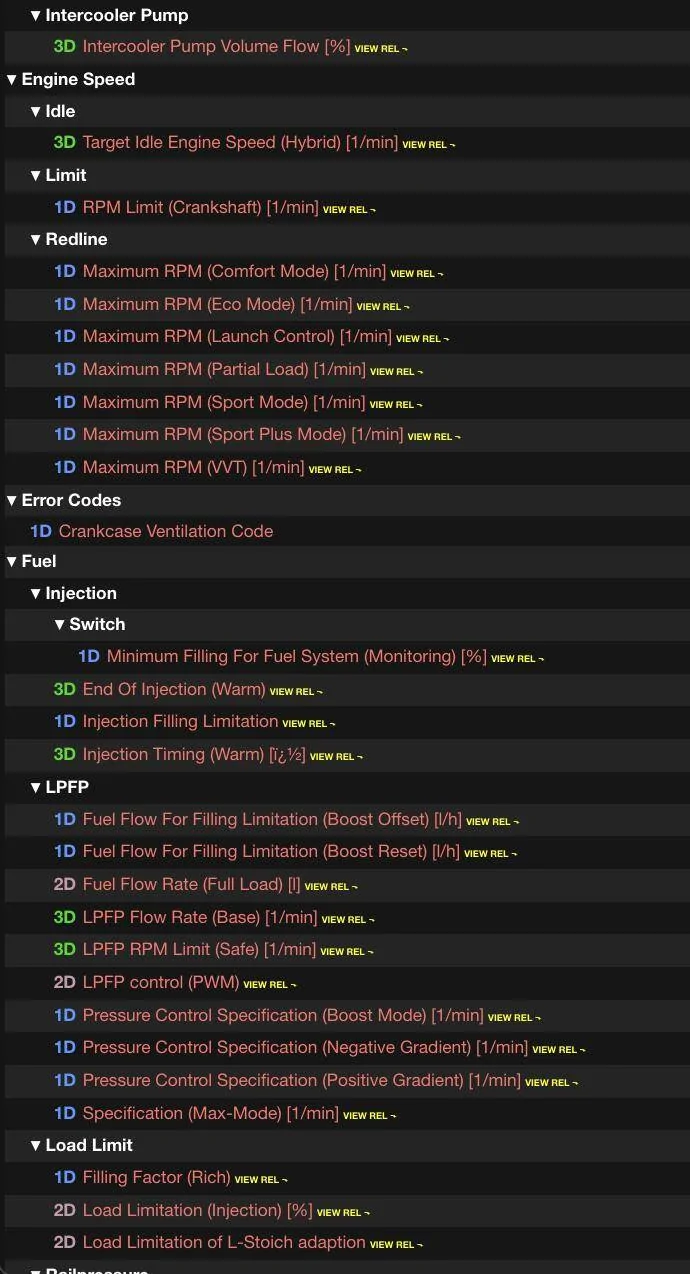
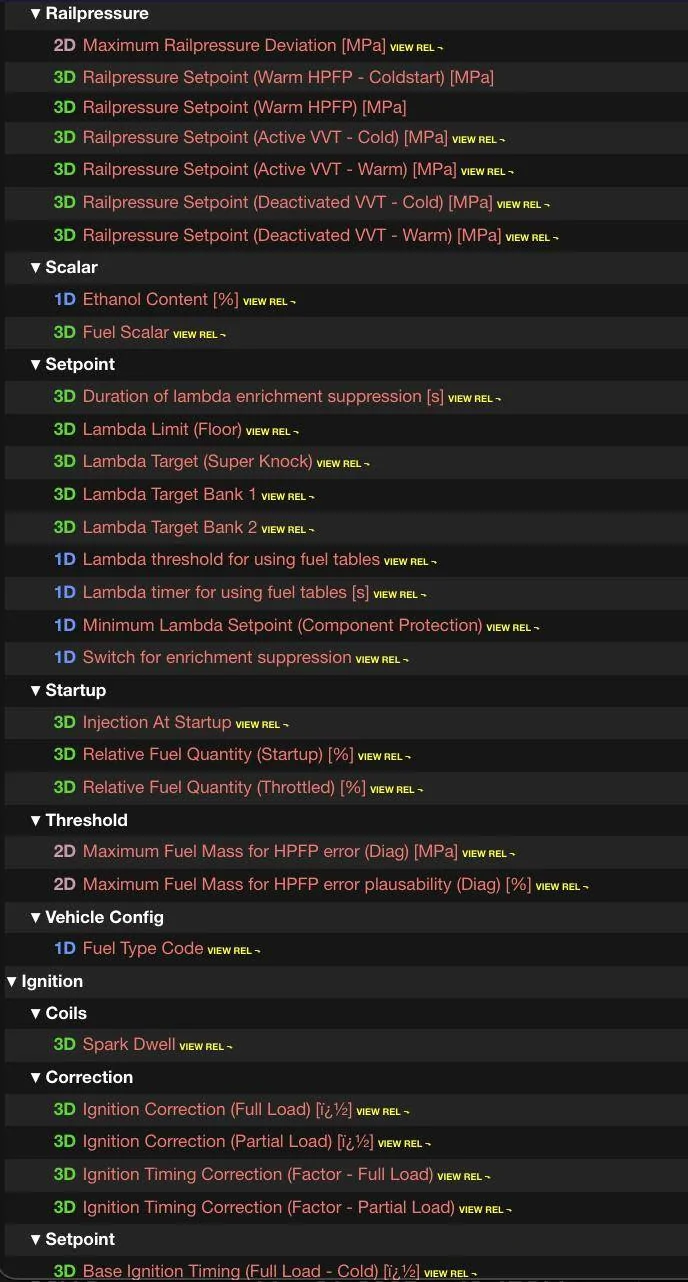
If anyone is curious of what tables I have changed in my personal tune:

Screenshot 2025-06-03 at 6.32.04 PM.jpg

Screenshot 2025-06-03 at 6.32.17 PM.jpg

Screenshot 2025-06-03 at 6.32.33 PM.jpg

Screenshot 2025-06-03 at 6.32.44 PM.jpg

Screenshot 2025-06-03 at 6.33.00 PM.jpg

Screenshot 2025-06-03 at 6.33.10 PM.jpg

Screenshot 2025-06-03 at 6.33.22 PM.jpg

Screenshot 2025-06-03 at 6.33.33 PM.jpg
Hi! Thanks again for all the great info you’ve shared in this thread — it’s been extremely helpful.


I saw the table you posted recently with your changes. Would you mind taking some time when you’re free to explain the significance of the tables you modified and why you made those specific adjustments?


It would be really insightful to understand the tuning logic behind it. Appreciate your guidance as always!
 
OP
OP
razorlab

razorlab

Well-Known Member
First Name
Bryan
Joined
Oct 2, 2021
Threads
29
Messages
8,568
Reaction score
16,797
Location
Hudson Valley, NY
Car(s)
Not a Corvette.
Hi! Thanks again for all the great info you’ve shared in this thread — it’s been extremely helpful.


I saw the table you posted recently with your changes. Would you mind taking some time when you’re free to explain the significance of the tables you modified and why you made those specific adjustments?

It would be really insightful to understand the tuning logic behind it. Appreciate your guidance as always!
I'm not going to go through every single one but you can ask me about certain ones. Happy to help when I can.
 

Liu

Member
First Name
Liu
Joined
May 22, 2025
Threads
0
Messages
10
Reaction score
0
Location
china
Car(s)
BMW
I'm not going to go through every single one but you can ask me about certain ones. Happy to help when I can.
Thanks! Just wondering — if I raise or lower the boost target and want to maintain a smooth and well-controlled boost curve, would that typically require adjustments to the Wastegate Position Feed-Forward table and the Compressor Map With Required Compressor / Turbine Output (kW)? Or are there other tables that play a bigger role in that case?


Also, if you have a moment, could you explain a bit more about how the Compressor Map table works and how to adjust it properly?
 
OP
OP
razorlab

razorlab

Well-Known Member
First Name
Bryan
Joined
Oct 2, 2021
Threads
29
Messages
8,568
Reaction score
16,797
Location
Hudson Valley, NY
Car(s)
Not a Corvette.
Thanks! Just wondering — if I raise or lower the boost target and want to maintain a smooth and well-controlled boost curve, would that typically require adjustments to the Wastegate Position Feed-Forward table and the Compressor Map With Required Compressor / Turbine Output (kW)? Or are there other tables that play a bigger role in that case?


Also, if you have a moment, could you explain a bit more about how the Compressor Map table works and how to adjust it properly?
Depends on how you are tuning boost. If you are tuning it with your base wgdc table set very close to actual WGDC for your requested boost level, then yes, you would want to tweak that table to still stay close for higher or lower boost.

Unfortunately, with BM3, they do NOT currently (I believe it's coming with Rev2 rom) have the base wgdc table included in their map switching. So if you are looking for different boost levels across your map slots then you would need to have a base wgdc table that is close to your lowest boost map slot and then scale the compressor table up for your map slots that request higher boost and lean more on the PID system making up the difference in WGDC to hit target boost.

Think of the compressor table as an amplifier for the PID system. If you aren't hitting target boost, then you scale up the compressor table to help the system add more PID.

This takes into account you have your PID tables set up correctly as well.
 

Liu

Member
First Name
Liu
Joined
May 22, 2025
Threads
0
Messages
10
Reaction score
0
Location
china
Car(s)
BMW
Okay, I finally got to the point where I have a good enough handle on the ECU strategies on this platform and done enough testing to get a pretty solid custom tune on my personal Supra this year. I have been testing and datalogging on the street and during all my track sessions, which has been invaluable to get my head around everything.

Now I want to share with others that might be interested in self-tuning on this platform with Bootmod3.

I'll start with fuel tuning, because it's the most straight forward part of the tuning platform. I'll continue to make new posts with different parts of the tuning process and eventually update the first post to have it all.

Tuning your AFR targets is probably the easiest part of tuning with modern lambda-target ecus and the supra/B58 platform is no exception. There are a couple more involved bits when you start using ethanol, and I will go into those here too.

Let's start with setting lambda targets and how to get the ECU to actually follow those targets...

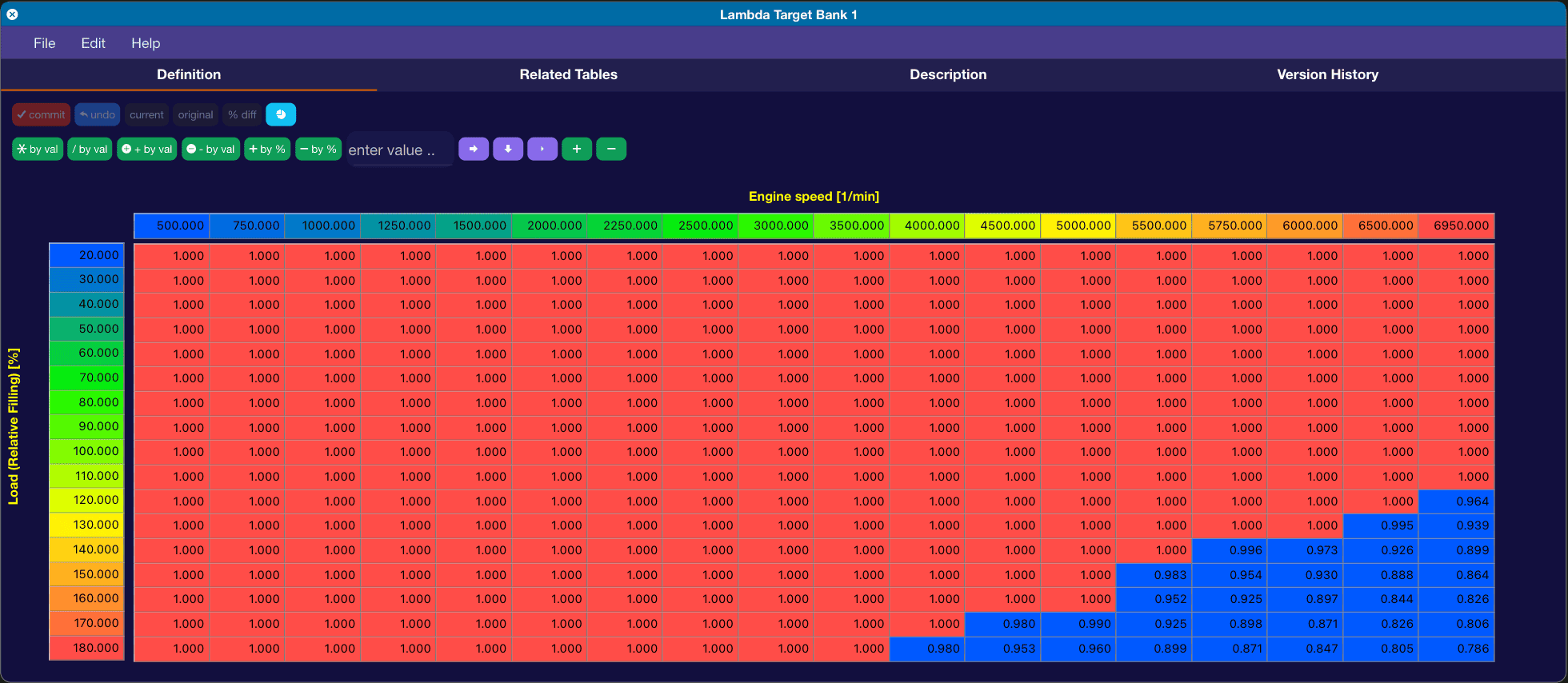
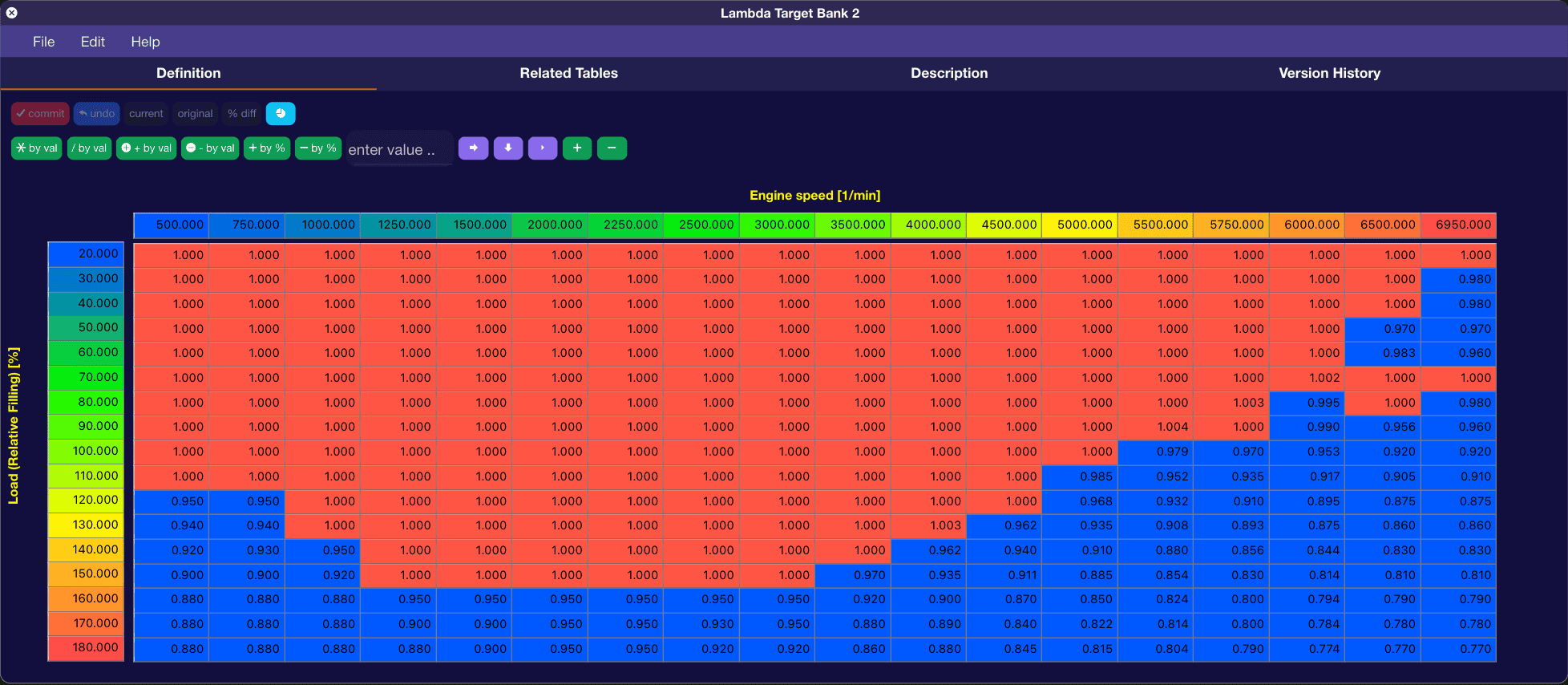
There are two tables you want to set to your desired lambda. Lambda Target Bank 1 and Bank 2.

The OEM values for these tables look like this:

Screenshot 2024-06-24 at 5.07.05 PM.png

Screenshot 2024-06-24 at 5.07.24 PM.png


Now, if you have a 2020, the car will almost NEVER use these tables, and will try and target 1.0 Lambda (14.7 AFR) at almost all times, unless it sees high cat or EGT temps. In WOT it will richen slightly to low 14.X AFR. The 2021+ models go into enrich mode sooner and you will see high 13's at WOT.

In order for the ECU to use these tables instantly, which is preferred when tuning, you must change the following tables:

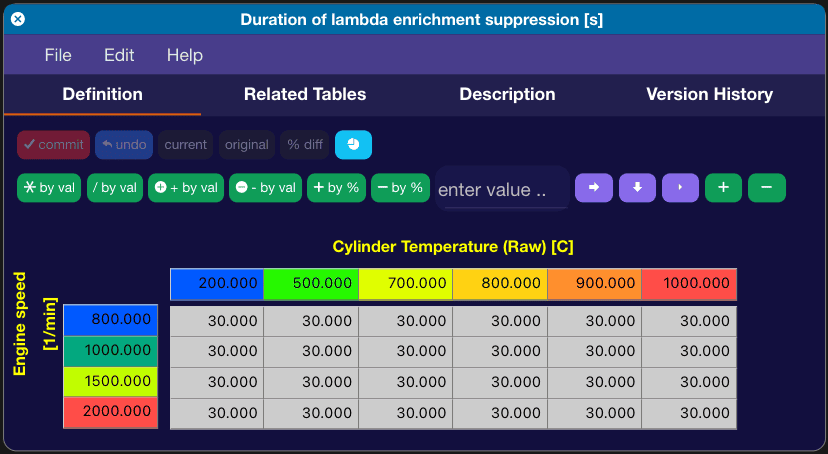
The first one is "Duration of lambda enrichment suppression". This dictates, in seconds, how long it will take the ECU to move to the Lambda Target tables, after an enrichment event triggers. On my 2020, you will see the table is set to 30 seconds. Very rare you will ever be going WOT for 30 seconds straight unless you are on the Autobahn or similar.

OEM values:
Screenshot 2024-06-24 at 4.57.23 PM.png


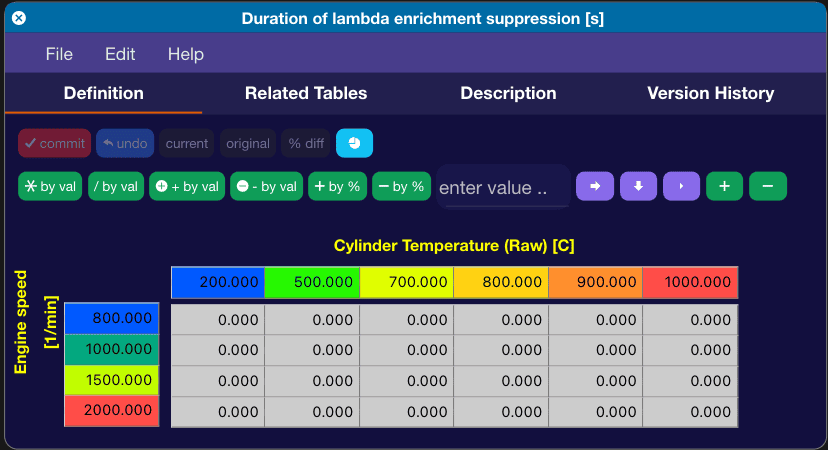
You will want to zero out this table like this:
Screenshot 2024-06-24 at 5.17.40 PM.png


Now, you want to also change the next three tables in order for the ECU to actually switch over to the Lambda Target tables.

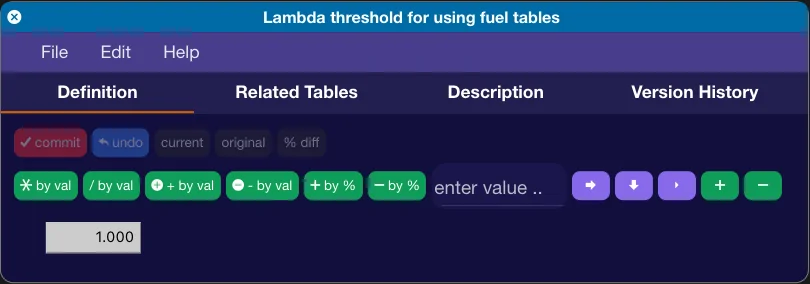
Lambda threshold for using fuel tables:
Screenshot 2024-06-24 at 4.58.03 PM.png

Set this from 1.000 to 0.700

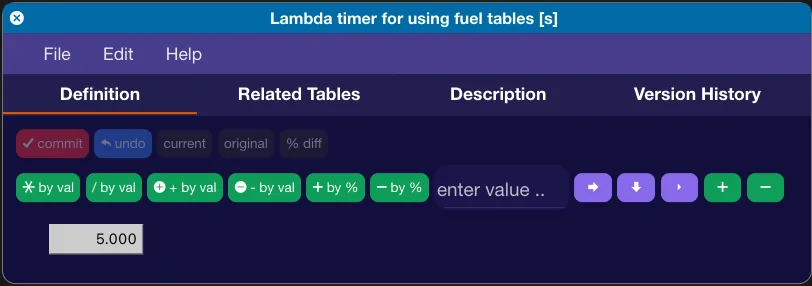
Lambda timer for using fuel tables:
Screenshot 2024-06-24 at 4.58.27 PM.png

Set this from 5.000 to 0.000

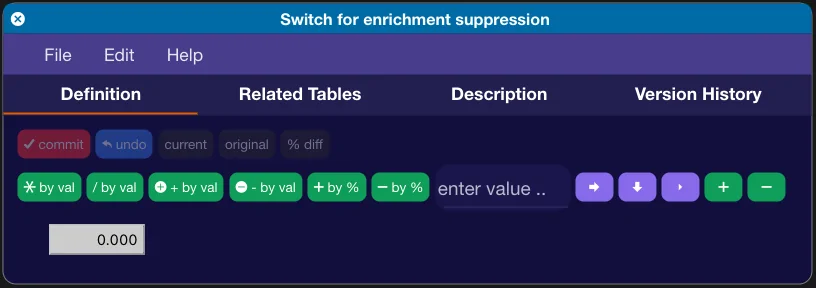
Switch for enrichment suppression:
Screenshot 2024-06-24 at 4.58.59 PM.png

Set this from 0.000 to 255.000

Now, going back to the Lambda Target Bank 1/2 tables...

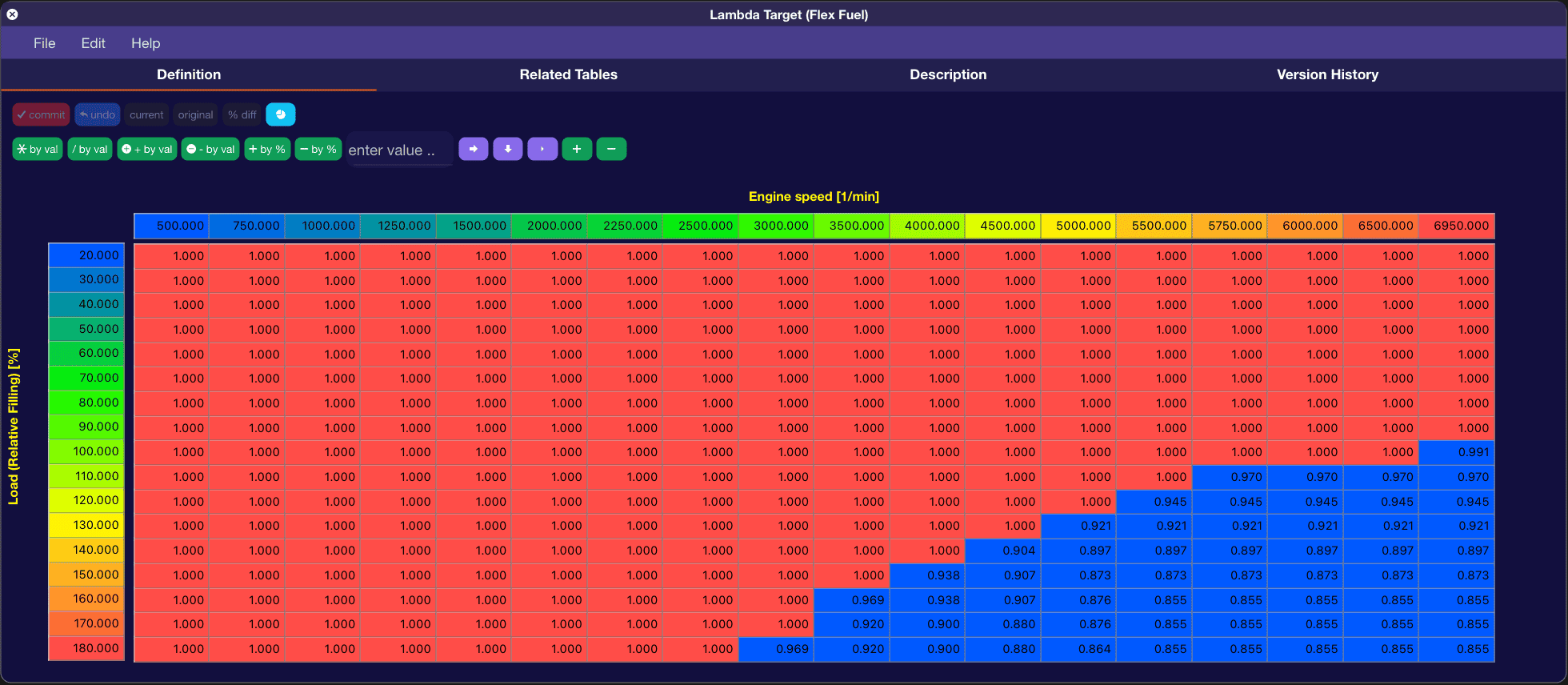
Set these values to what Lambda you are wanting to target at what RPM and Load. Here is an example from my own personal Supra tune. Keep in mind I run an E40 fuel mix so I target leaner Lambda then one would on pump gas.
Screenshot 2024-06-24 at 5.27.29 PM.png


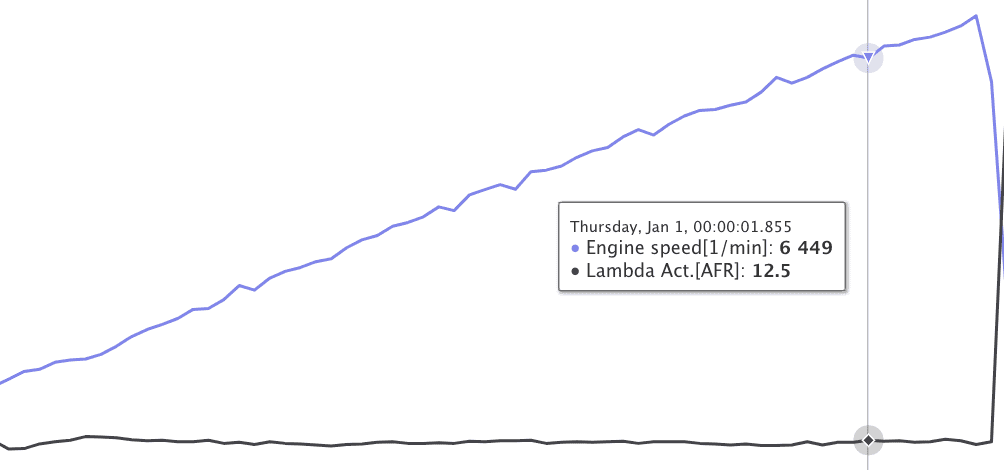
This translates to about 12.5 AFR at WOT:
Screenshot 2024-06-24 at 5.30.06 PM.png


That is it for basic fuel target tuning. My next post will be going over tables you will want to tune to get around some fuel load limitations and other tables you want to change if you are using Ethanol.

Also, I’m curious about your approach to AFR tuning. Do you have any personal insights or methods you’ve found particularly effective?

And in your experience, does running richer AFR for performance have any long-term downsides, like increased risk of carbon buildup or other issues?

Appreciate any thoughts you’re willing to share!
 
OP
OP
razorlab

razorlab

Well-Known Member
First Name
Bryan
Joined
Oct 2, 2021
Threads
29
Messages
8,568
Reaction score
16,797
Location
Hudson Valley, NY
Car(s)
Not a Corvette.
Also, I’m curious about your approach to AFR tuning. Do you have any personal insights or methods you’ve found particularly effective?

And in your experience, does running richer AFR for performance have any long-term downsides, like increased risk of carbon buildup or other issues?

Appreciate any thoughts you’re willing to share!
Very much depends on the fuel used, use of the car, boost level, fuel system, etc

For my personal car, on E30-E40, for track use. I target about 12.5 AFR

For pump gas 93 I usually target 12.1 or so and a little richer on 91.

Richer will cool the cylinders better, but there is a point where you are just wasting fuel.

On ethanol blends, richer will get you closer to maxing out the OEM HPFP so it's a balancing act. You need to tune the lower RPM a little leaner to keep some head room. I've had ignorant people cry about this when looking at logs or AFR on dyno charts, but if you do it logically, it's perfectly fine. You would also be amazed at how lean some other "tuners" run these cars.

If you are used to tuning non DI cars, the above numbers will sound crazy but they are not. Whenever someone starts arguing about this topic and obviously all their experience is from PI and not DI, I just ignore them. To be fair, it took me awhile to get my head around it, coming from tuning PI cars for the last 20 years or so.
 

Liu

Member
First Name
Liu
Joined
May 22, 2025
Threads
0
Messages
10
Reaction score
0
Location
china
Car(s)
BMW
Very much depends on the fuel used, use of the car, boost level, fuel system, etc

For my personal car, on E30-E40, for track use. I target about 12.5 AFR

For pump gas 93 I usually target 12.1 or so and a little richer on 91.

Richer will cool the cylinders better, but there is a point where you are just wasting fuel.

On ethanol blends, richer will get you closer to maxing out the OEM HPFP so it's a balancing act. You need to tune the lower RPM a little leaner to keep some head room. I've had ignorant people cry about this when looking at logs or AFR on dyno charts, but if you do it logically, it's perfectly fine. You would also be amazed at how lean some other "tuners" run these cars.

If you are used to tuning non DI cars, the above numbers will sound crazy but they are not. Whenever someone starts arguing about this topic and obviously all their experience is from PI and not DI, I just ignore them. To be fair, it took me awhile to get my head around it, coming from tuning PI cars for the last 20 years or so.
Thanks for the detailed reply! That makes sense.


Just a follow-up question — do you usually follow any specific strategy or pattern when tuning AFR across different RPM and load ranges?


For example, I see you target around 12.5 or 12.1 in high RPM and high load areas, but what about lower RPM and mid-load zones, like 2000 RPM at 100 load? Do you keep it richer there too, or leaner for efficiency?


Would love to understand how you approach those areas.
 

ColonelAdama

Well-Known Member
First Name
Adam
Joined
Jan 30, 2023
Threads
2
Messages
1,433
Reaction score
1,646
Location
Greenville, SC
Car(s)
2023 Absolute Zero Supra 3.0 Premium MT, 2015 GTI
Very much depends on the fuel used, use of the car, boost level, fuel system, etc

For my personal car, on E30-E40, for track use. I target about 12.5 AFR

For pump gas 93 I usually target 12.1 or so and a little richer on 91.

Richer will cool the cylinders better, but there is a point where you are just wasting fuel.

On ethanol blends, richer will get you closer to maxing out the OEM HPFP so it's a balancing act. You need to tune the lower RPM a little leaner to keep some head room. I've had ignorant people cry about this when looking at logs or AFR on dyno charts, but if you do it logically, it's perfectly fine. You would also be amazed at how lean some other "tuners" run these cars.

If you are used to tuning non DI cars, the above numbers will sound crazy but they are not. Whenever someone starts arguing about this topic and obviously all their experience is from PI and not DI, I just ignore them. To be fair, it took me awhile to get my head around it, coming from tuning PI cars for the last 20 years or so.
on the topic of AFR and what not, does anyone know what tables fix the rough idle that comes with running full e85? Is that because fuel scalar is too low (currently 1.4), or is lambda 1 too lean for E85 at warm idle? This is MHD, but I'm sure its the same strategy as BM3.

Maybe it has to do with the start and end of injection times.

just sort of looks like the car wants to die out and it saves itself with more fuel cyclically.
 
OP
OP
razorlab

razorlab

Well-Known Member
First Name
Bryan
Joined
Oct 2, 2021
Threads
29
Messages
8,568
Reaction score
16,797
Location
Hudson Valley, NY
Car(s)
Not a Corvette.
on the topic of AFR and what not, does anyone know what tables fix the rough idle that comes with running full e85? Is that because fuel scalar is too low (currently 1.4), or is lambda 1 too lean for E85 at warm idle? This is MHD, but I'm sure its the same strategy as BM3.

Maybe it has to do with the start and end of injection times.

just sort of looks like the car wants to die out and it saves itself with more fuel cyclically.
1.4 seems way too low for full E85.

What are your trims doing? LTFT and STFT.

Is this a DI car? What injectors?
 

ColonelAdama

Well-Known Member
First Name
Adam
Joined
Jan 30, 2023
Threads
2
Messages
1,433
Reaction score
1,646
Location
Greenville, SC
Car(s)
2023 Absolute Zero Supra 3.0 Premium MT, 2015 GTI
1.4 seems way too low for full E85.

What are your trims doing? LTFT and STFT.

Is this a DI car? What injectors?
Its DI and PI, but only DI at idle. Stock direct injection. Trims are relatively neutral. I haven't logged LTFT yet. PI is 550s but shouldn't matter. What do you recommend for scalar? 1.5-1.6? car is around e75
 
OP
OP
razorlab

razorlab

Well-Known Member
First Name
Bryan
Joined
Oct 2, 2021
Threads
29
Messages
8,568
Reaction score
16,797
Location
Hudson Valley, NY
Car(s)
Not a Corvette.
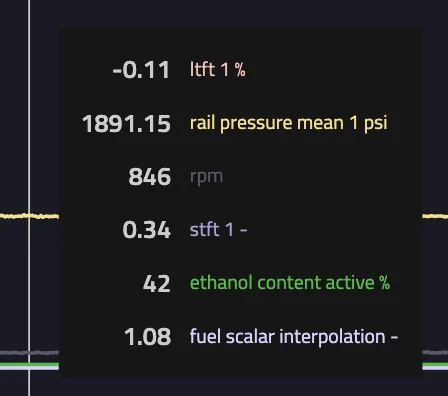
Its DI and PI, but only DI at idle. Stock direct injection. Trims are relatively neutral. I haven't logged LTFT yet. PI is 550s but shouldn't matter. What do you recommend for scalar? 1.5-1.6? car is around e75
I recommend what your STFT and LTFT's are telling you. Also make sure your blending tables are setup correctly and you are logging fuel scaler interpolation to really know where you are.

Screenshot 2025-08-04 at 9.09.54 PM.webp
Sponsored


Top